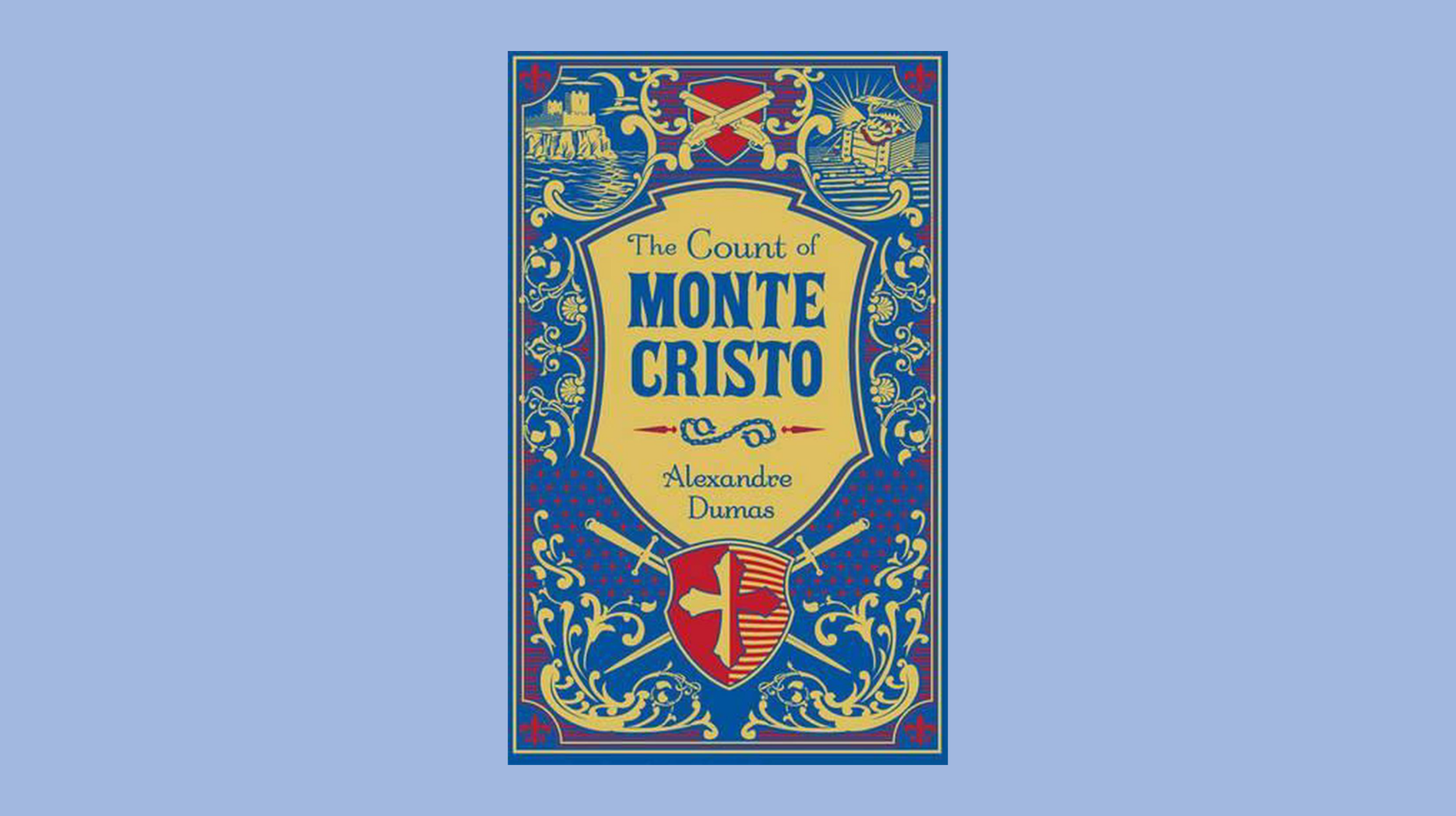

Few novels sweep readers away like The Count of Monte Cristo, Alexandre Dumas’s 1844 classic about revenge, betrayal, and redemption. At over 1,000 pages in most editions, it is not a light read. But the story’s intensity, emotional depth, and dramatic turns continue to make it one of literature’s most satisfying journeys.
The novel follows Edmond Dantès, a young sailor with a bright future, who is wrongfully imprisoned due to the envy and ambition of others. While locked away in the dark Château d’If, he meets a fellow prisoner who educates him and reveals the location of a hidden treasure. When Dantès escapes and finds the fortune, he reinvents himself as the mysterious and powerful Count of Monte Cristo. What follows is a carefully crafted plan of revenge against those who betrayed him.
Dumas, who wrote the novel with the help of collaborators and serialized it in a newspaper, was a master of cliffhangers. His chapters often end with suspense or surprise, keeping readers hooked through every twist. The pacing, despite the book’s length, rarely drags. Each character—from the greedy Danglars to the cunning Villefort—is given room to grow, making their eventual downfall (or redemption) all the more satisfying.
But The Count of Monte Cristo is more than just an action-packed adventure. It’s a moral tale, asking big questions about justice, mercy, and the consequences of vengeance. While Dantès begins as a victim, his transformation into an avenger forces us to ask: does he go too far? Is revenge ever truly just, or does it destroy the avenger as well?
In today’s world of instant gratification and quick judgment, the novel’s slow-building narrative and complex moral dilemmas offer a meaningful contrast. The Count is not a superhero; he’s a man shaped by suffering, and his choices carry consequences. Modern readers might see echoes of today’s obsession with justice—both legal and social—but also the dangers of letting pain define one’s life.
Dumas’s language, rich with detail and dialogue, paints a vivid picture of 19th-century France and Italy. His scenes range from high-society ballrooms to dark prison cells, giving readers a panoramic view of the world Dantès must navigate. And despite its historical setting, the emotions—love, jealousy, fear, and hope—are timeless.
The Count of Monte Cristo remains a literary treasure not only for its thrilling plot but for its emotional weight. It teaches that while justice is important, forgiveness may be even more powerful. For high school readers and beyond, it is both a page-turner and a thoughtful meditation on what it means to be wronged—and what it takes to move on.