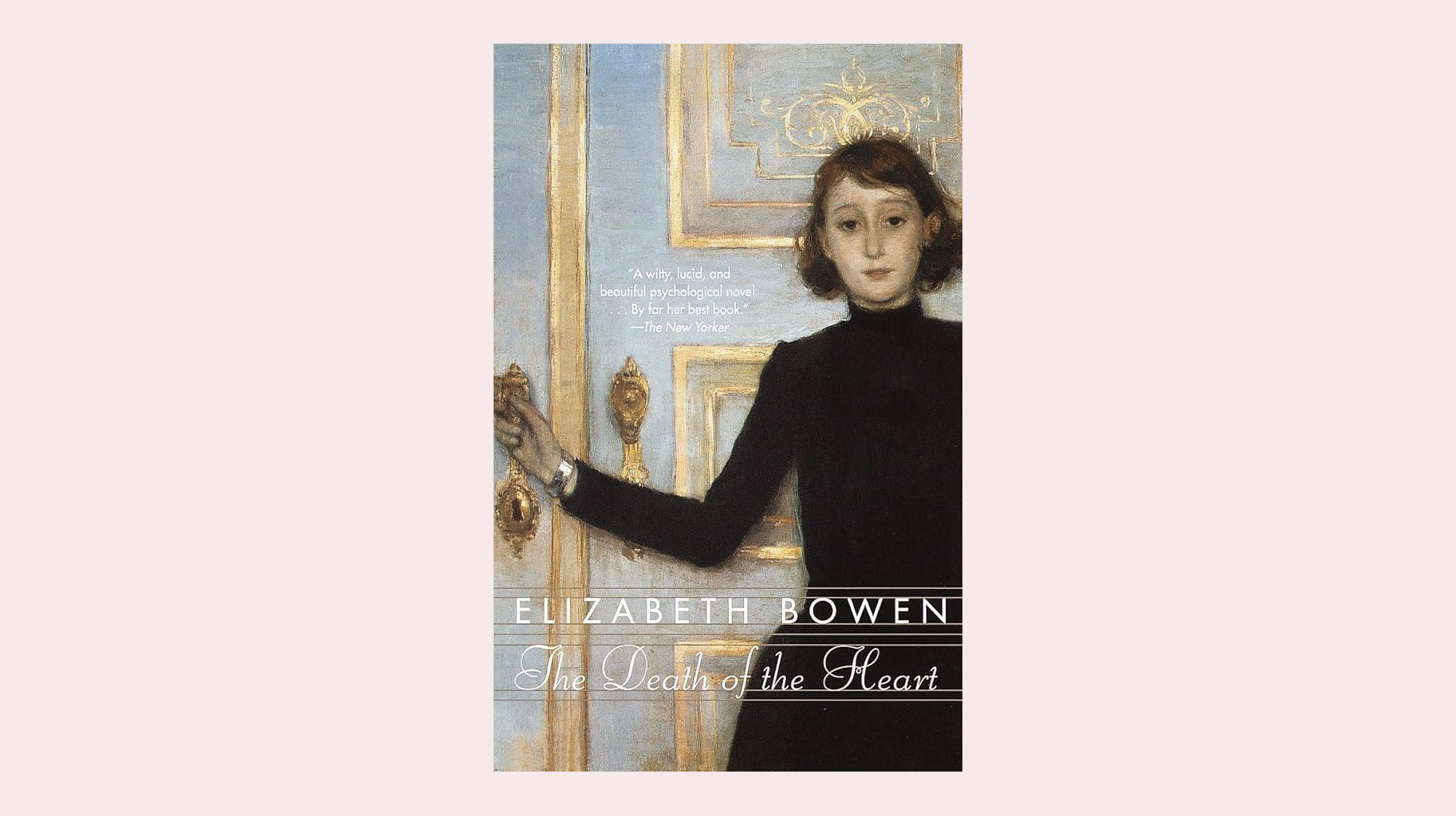

It begins in the off-season. London in winter, that strange, polite hush between the wars, where everything respectable seems just a little bit wrong. Elizabeth Bowen’s The Death of the Heart, first published in 1938, is a novel of atmosphere and emotional undercurrents, in which the chill outside is a mirror of the quiet betrayals within. Its subject is the damage done not by war, but by the cold war of English manners—and the quiet calamity of growing up.
At its center is Portia Quayne, a sixteen-year-old orphan who arrives in the household of her much older half-brother, Thomas, and his elegant, brittle wife, Anna. Portia is not merely young—she is unworldly, sincere to the point of danger, with a diary she fills obsessively and a heart open to anyone who might see her. In the cynical, coded world of her guardians, this guilelessness becomes a liability. She is watched, judged, tolerated, but never truly loved.
Enter Eddie, a young man with charm to spare and character to lack. He flirts, withdraws, returns—an expert in emotional suggestion. Portia falls for him, of course, with a vulnerability that makes the reader wince. Her affection is not just youthful—it’s unprotected, and Bowen treats it not with condescension but with dread. Because here, love is not romantic. It is a trapdoor.
Bowen’s prose is crystalline, angular, sly. She was a chronicler of what is not said: of half-finished sentences, social performances, emotional evasions. She writes dialogue that dances just above the emotional abyss. In The Death of the Heart, she turns her attention to the unbridgeable gap between the emotional clarity of youth and the cultivated opacity of adulthood. Portia, sincere and susceptible, crashes against the polished surfaces of a world that prizes control above honesty.
Set between the two world wars, the novel carries the low hum of a society in retreat—numbed by loss, terrified of depth, allergic to sincerity. Bowen’s characters are refined but lonely, sharp but disoriented, moving through rooms as if unsure what still matters. The death of the heart, in Bowen’s rendering, is not a melodramatic climax—it’s a gradual process, accomplished by a hundred small injuries, polite rejections, and moral evasions.
What makes the novel so quietly devastating is Bowen’s refusal to rescue her heroine. Portia’s heartbreak is not transformed into wisdom or narrative triumph. Instead, the reader is left with the impression that her sensitivity has been punished, not preserved. The emotional cruelty of modern life, Bowen suggests, is not loud or violent—it is elegant, diffuse, and terribly civilized.
To read The Death of the Heart today is to be reminded of how deeply the English novel can penetrate—without sentimentality, without spectacle. Bowen’s intelligence is cool, but not unfeeling. Her psychological acuity rivals Henry James, yet her tone is all her own: ironic, precise, and mournfully attuned to the cost of coming of age in a world that mistrusts emotion.
In a culture that often rewards detachment, Bowen’s novel remains a piercing argument for the value—and vulnerability—of feeling. The Death of the Heart is not just a coming-of-age story. It is a portrait of emotional extinction, exquisitely rendered. And in Bowen’s careful hands, that extinction feels both inevitable and tragic.