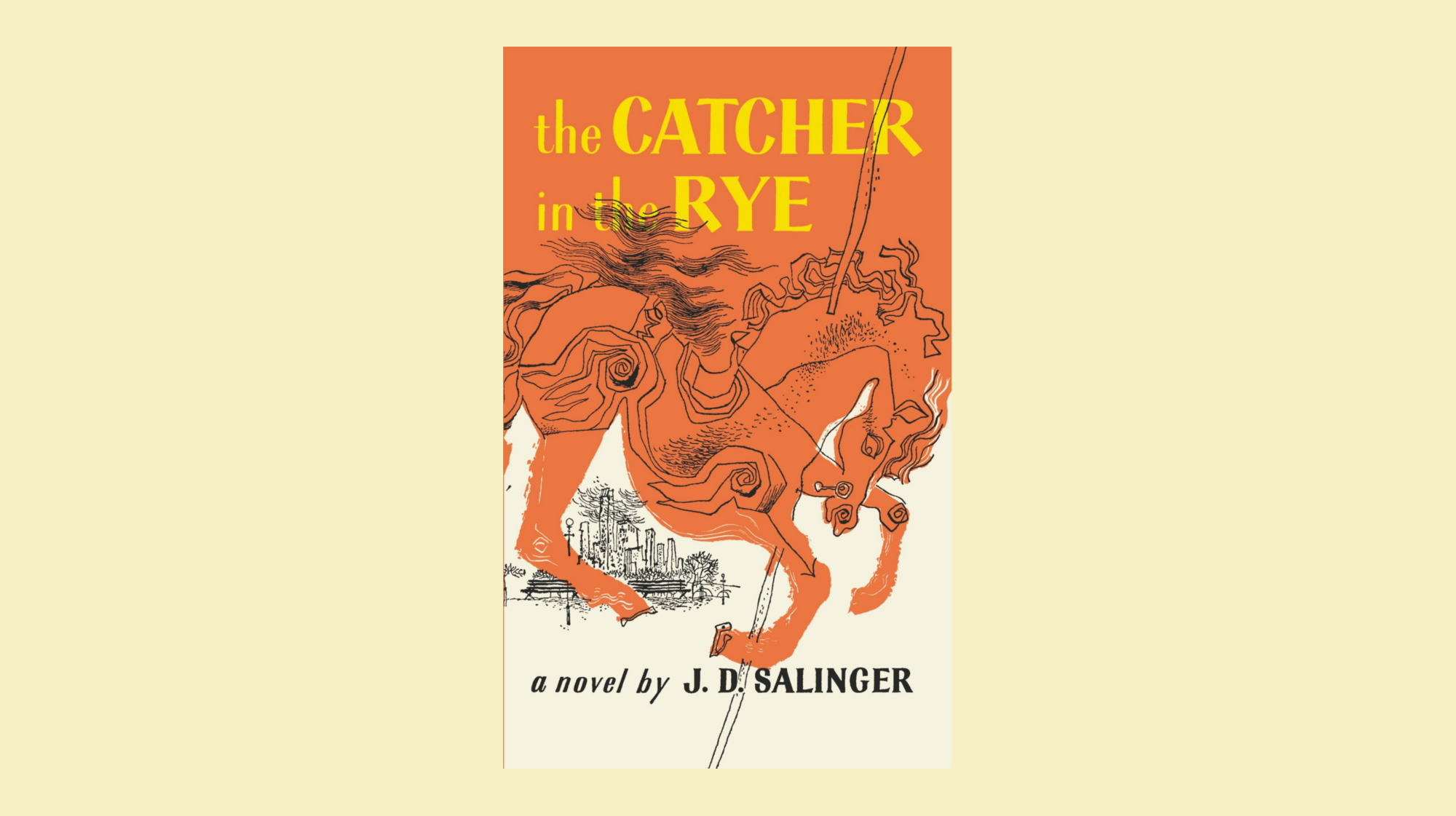

When The Catcher in the Rye was first published in 1951, it scandalized and captivated in equal measure. Parents fretted, censors objected, and teenagers everywhere passed it between desks like contraband. What J.D. Salinger had captured, with uncanny precision, wasn’t just the restlessness of youth—it was the feeling of being adrift in a world too phony, too fast, and far too grown up.
Holden Caulfield, the novel’s narrator and reluctant protagonist, has become an almost mythic figure in American literature. Seventeen years old and freshly expelled from yet another prep school, he takes readers on a three-day odyssey through New York City, fleeing adulthood and seeking some form of truth—or at least a cigarette and someone who won’t talk like a movie script.
The novel unfolds in Holden’s voice: wounded, cynical, funny, and heartbreakingly sincere. He rails against “phonies”—his word for nearly everyone—but what he’s really protesting is disconnection. In a postwar America charging full-speed into affluence and conformity, Holden’s resistance is less about rebellion than self-preservation. He wants something real. Something pure. Something that won’t grow up, get a job, and start lying.
Salinger’s genius lies in the way he threads that yearning through every scene. A conversation with a former teacher becomes an existential trap. A date with a girl from school spirals into silent desperation. Even a carousel ride with his little sister Phoebe—the closest the novel gets to redemption—is tinged with melancholy. Holden knows he can’t protect her forever. But he wants to try.
Though often dismissed as a book that resonates mainly with teenagers, The Catcher in the Rye carries a much heavier weight on rereading. Holden is not simply angsty—he is grieving. Haunted by the death of his younger brother, unsure of his place in the world, and teetering on the edge of mental collapse, he is more fragile than he first appears. Beneath the sarcasm and slouching posture is a boy trying to hold the pieces together.
What makes the novel endure isn’t its slang or setting, but its ache. Salinger captures the strange limbo between childhood and adulthood with unnerving accuracy. There are few books that feel as immediate, as raw, and as unresolved. The Catcher in the Rye doesn’t offer closure. It offers recognition.
In the decades since its publication, Holden has become a kind of literary Rorschach test—praised as a rebel, dismissed as a whiner, misread by assassins and misfits. But perhaps that’s the point. He’s a character who resists easy understanding. Like the book itself, he doesn’t tidy up well. He isn’t supposed to.
J.D. Salinger famously withdrew from public life, and in a sense, so did Holden. But both continue to echo. In a world more digitized, curated, and performative than Salinger could have imagined, Holden’s craving for authenticity feels, if anything, more urgent.
“I keep picturing all these little kids playing some game in this big field of rye and all,” Holden says. “And I’m standing on the edge of some crazy cliff.” He wants to catch them. He wants to save someone.
What The Catcher in the Rye understands is that sometimes, just wanting to save someone is enough to make us human.