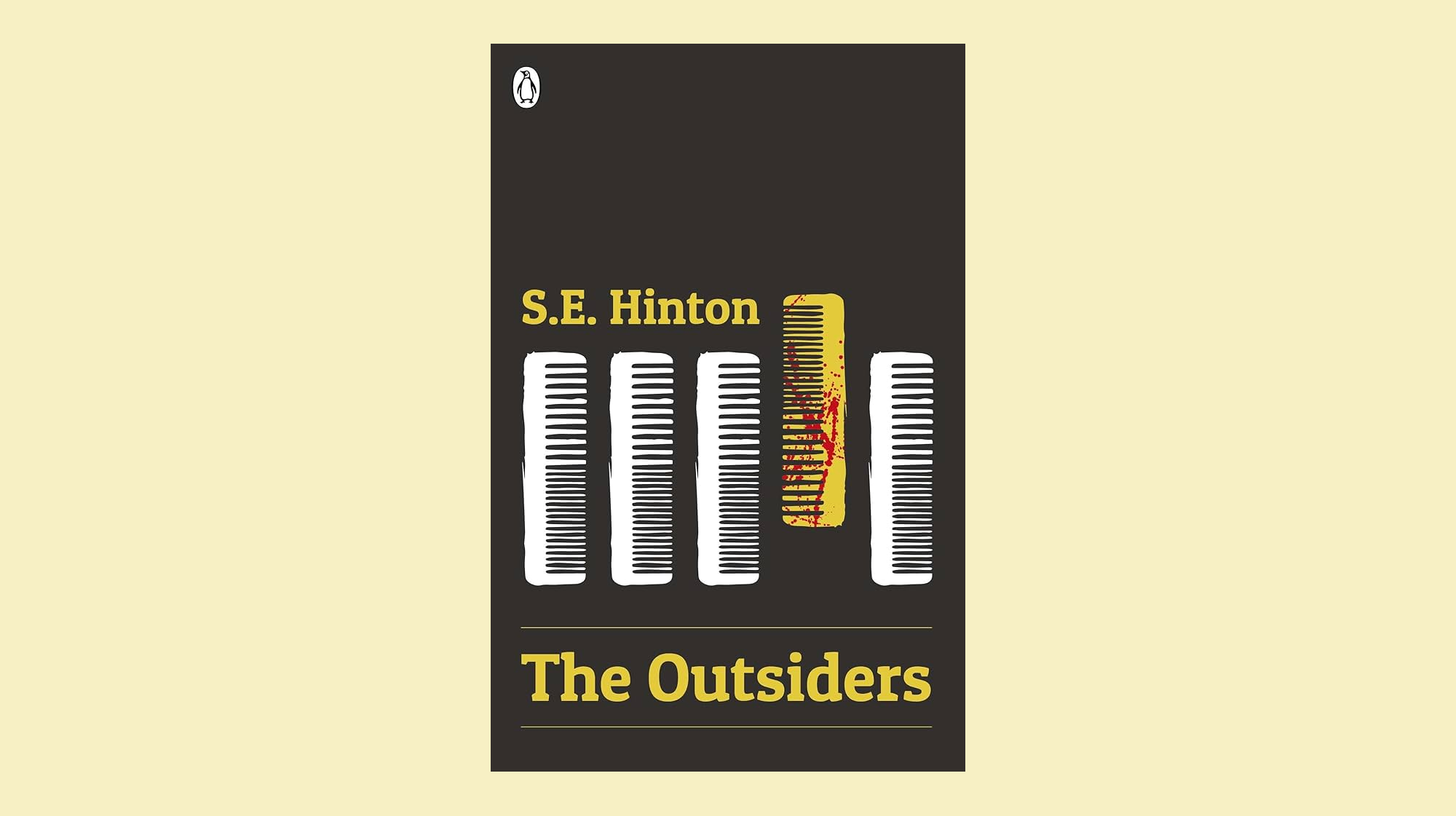

When S. E. Hinton published The Outsiders in 1967, she was just a teenager herself—a fact that lends the novel an immediacy and authenticity rarely found in young adult fiction. Her debut novel broke new ground by giving voice to the restless, conflicted youth of working-class America, a demographic largely absent from the polished narratives of the era’s literature. Over half a century later, The Outsiders remains a raw, unvarnished snapshot of adolescence caught between innocence and violence, belonging and alienation.
Set in an unnamed American town, the story follows Ponyboy Curtis, a sensitive 14-year-old “greaser” whose tight-knit gang lives under the shadow of social division and class conflict. Hinton’s novel draws a stark line between the greasers—poor, rough around the edges, loyal to each other—and the affluent “Socs,” who wield their wealth with careless cruelty. This clash is both literal and symbolic, reflecting broader societal tensions simmering in 1960s America.
Hinton’s prose is straightforward and accessible, eschewing literary flourishes in favor of directness, which allows the emotional truth of Ponyboy’s journey to shine through. The novel is episodic yet cohesive, moving briskly from fistfights to moments of quiet reflection. What elevates The Outsiders above typical teenage fare is its unflinching portrayal of violence and vulnerability. The characters are not mere stereotypes; they are complex youths grappling with loss, loyalty, and the elusive hope of a better life.
Yet from a contemporary viewpoint, the novel’s worldview may feel limited. The binary between greasers and Socs risks oversimplifying social realities, reducing complex issues of class and identity to gang rivalries. The absence of nuanced female characters and the narrow focus on male camaraderie highlight the novel’s constraints. Still, for its time—and for many young readers since—The Outsiders offered a rare mirror for the alienated adolescent experience.
The novel’s enduring appeal lies in its universal themes: the search for belonging, the pain of growing up, and the bittersweet loss of innocence. Hinton’s portrayal of Ponyboy’s struggle to find his own identity amid chaos resonates across generations, reminding us that the boundaries between “us” and “them” are often more fragile than we think.
As America in the 1960s wrestled with civil rights, cultural shifts, and generational divides, The Outsiders spoke to a youth caught in the crossfire—yearning to be understood, to be seen, and to survive.