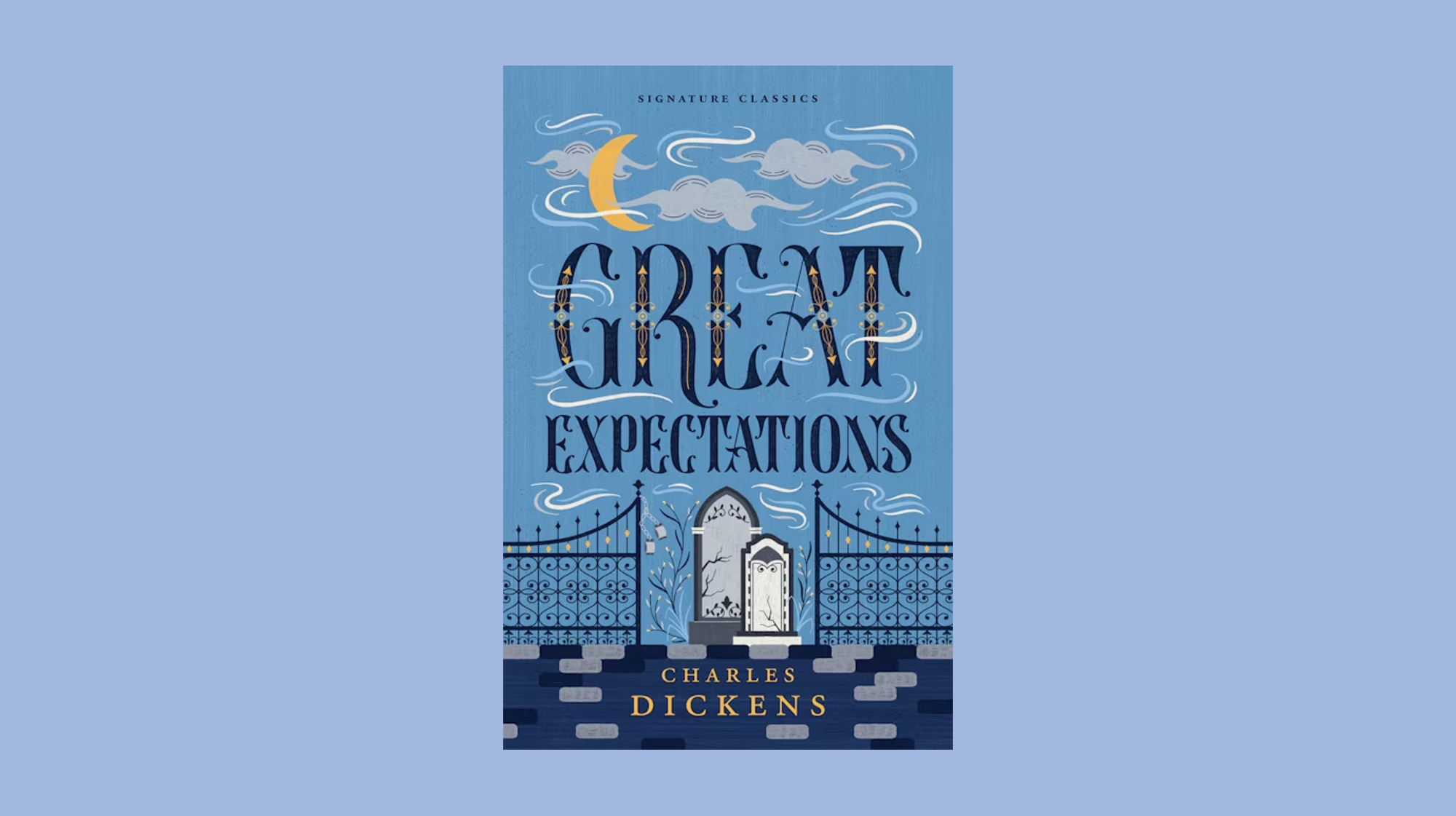

Charles Dickens’s Great Expectations, published in 1860, remains one of the most beloved novels in English literature. Through the story of Pip, an orphan who dreams of rising above his humble beginnings, Dickens explores themes of ambition, social class, and personal growth that continue to resonate with readers today.
Set in Victorian England, the novel follows Pip’s journey from a poor boy in the marshes to a gentleman in London, thanks to an unexpected fortune. Along the way, Pip encounters a colorful cast of characters— from the mysterious and proud Estella to the eccentric Miss Havisham—who shape his understanding of love, loyalty, and true worth.
Dickens’s writing is both vivid and detailed, painting a rich picture of 19th-century society with all its complexities and inequalities. But Great Expectations is more than a social novel; it is a deeply personal story about self-discovery and the often painful lessons that come with growing up.
What makes the novel enduring is its ability to blend suspense, humor, and moral reflection. Dickens does not shy away from exposing human flaws—Pip’s vanity, guilt, and misguided hopes—but he also offers moments of redemption and insight. The novel asks readers to consider what really matters in life: wealth and status, or kindness and integrity.
Though written over 160 years ago, Great Expectations still speaks to anyone grappling with the challenge of finding their place in the world. Its themes of hope, disappointment, and forgiveness make it a timeless journey worth taking.