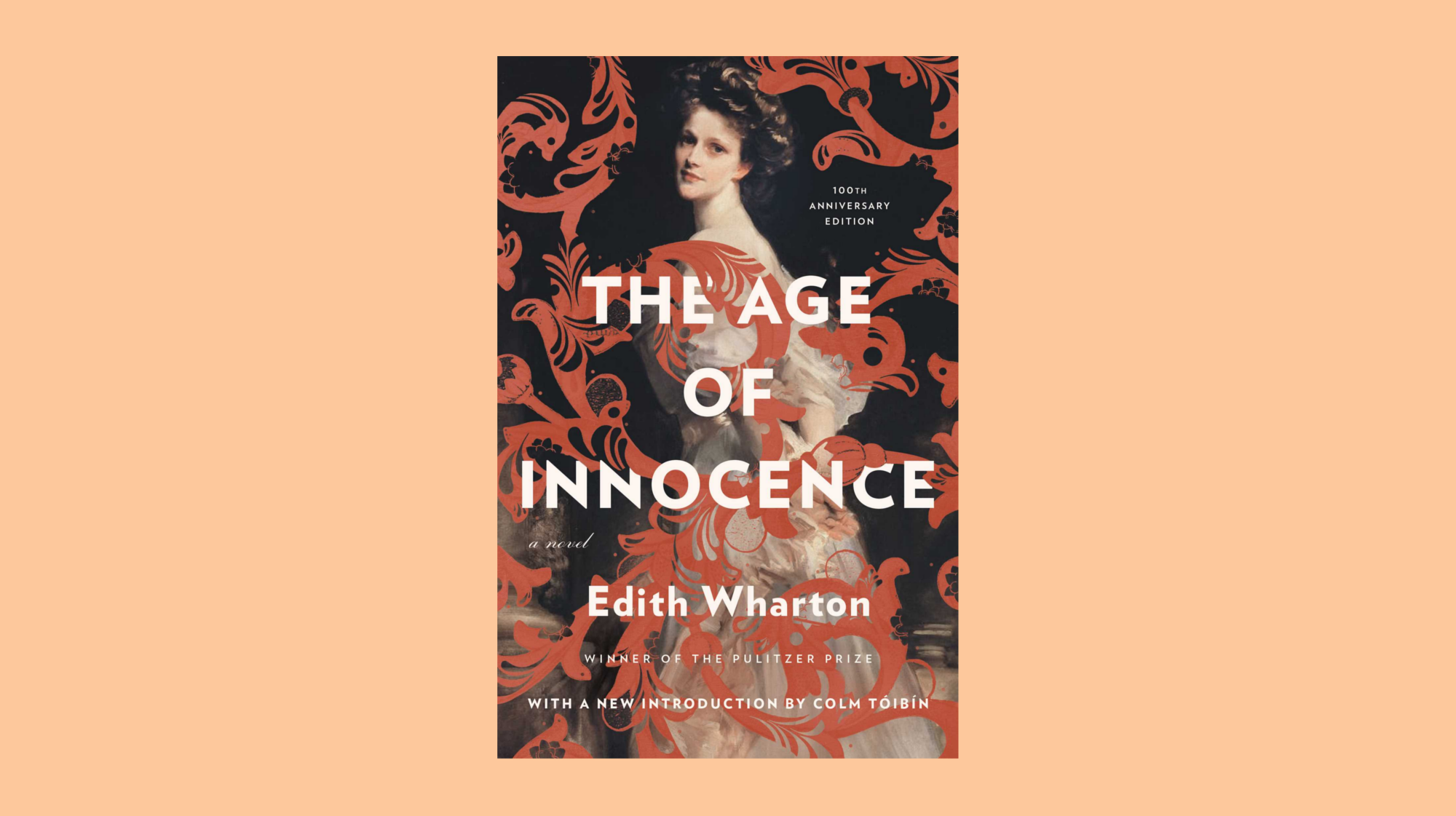

Edith Wharton’s The Age of Innocence, which won the Pulitzer Prize in 1921, is a quiet but powerful novel about love, society, and the painful limits of tradition. Set in 1870s New York City, the story explores how the pressure to follow social rules can shape—and sometimes ruin—people’s lives.
The main character, Newland Archer, is a wealthy young man engaged to the proper and lovely May Welland. But when May’s cousin, the mysterious and independent Ellen Olenska, returns from Europe, Newland finds himself drawn to her bold spirit. As he falls in love with Ellen, he also begins to question the world he lives in—a world ruled by strict customs and unspoken expectations.
Wharton writes with elegance and care, using sharp details and quiet moments to show how much people hide behind manners and tradition. The book does not rely on dramatic twists or action. Instead, it builds its emotional power slowly, showing how hard it can be to choose between passion and duty.
Though it takes place more than a century ago, The Age of Innocence feels familiar today. It asks questions about freedom, love, and how much we are willing to sacrifice to fit in. Wharton shows how even the most privileged people can feel trapped by the roles they are expected to play.
In the end, The Age of Innocence is a story about choices—not just the ones we make, but the ones we never get to. Through its graceful prose and quiet sadness, the novel remains a timeless look at the cost of doing what is “right” instead of what we truly want.