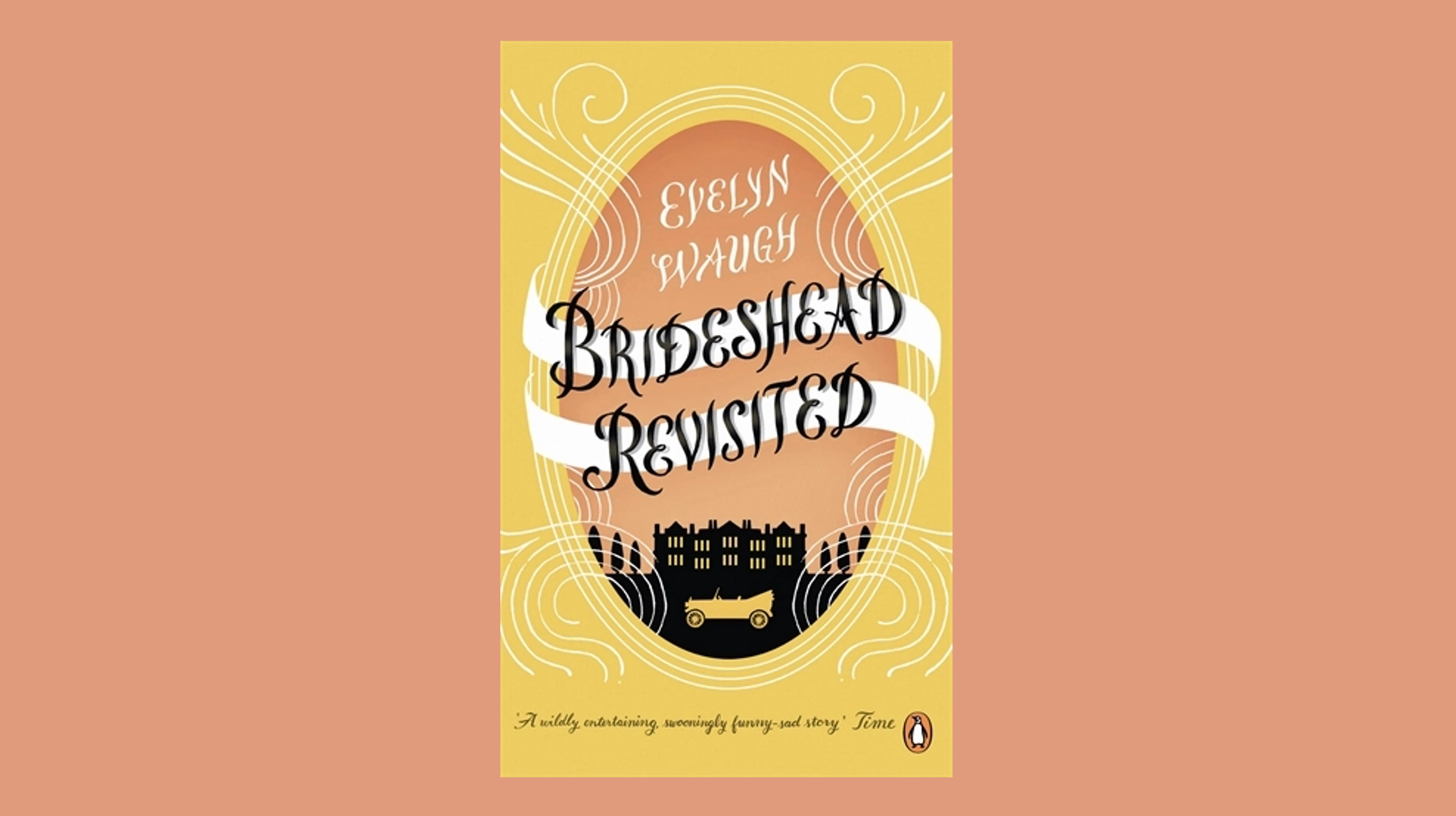

Evelyn Waugh’s Brideshead Revisited, first published in 1945, is a rich and emotional novel about love, loss, and religion, set against the slow decline of the British aristocracy between the two world wars. Through the eyes of narrator Charles Ryder, Waugh tells a deeply personal story that also explores broader questions about faith, family, and the passing of time.
The novel begins as Charles, now a disillusioned army officer during World War II, arrives at an abandoned estate—Brideshead Castle. The sight of it sends him back to his youth, when he first visited the grand house as a student at Oxford. There, he met Sebastian Flyte, a charming and troubled young man from a Catholic noble family. Their friendship, filled with joy, curiosity, and eventual sorrow, becomes the emotional core of the book.
As Charles becomes more entangled with the Flytes, especially Sebastian’s sister Julia, he is drawn into a world of beauty and tradition, but also of guilt and religious tension. The Flyte family’s Catholic faith, which at first seems like a background detail, slowly becomes central to the story, forcing Charles to confront questions of purpose, morality, and belief.
Waugh’s writing is elegant and filled with lyrical detail. He paints vivid pictures of Oxford’s golden days, the lush countryside, and the fading glamour of English high society. Yet beneath the beauty, there’s a constant sense of loss—of innocence, of friendships, of a way of life disappearing in the shadow of modernity and war.
For readers today, Brideshead Revisited may feel both timeless and challenging. Its themes of spiritual searching and emotional conflict still resonate, but the book’s nostalgic view of the British upper class may seem distant or even outdated. Still, Waugh is not simply romanticizing the past; he is mourning it, while also questioning whether its values were ever truly noble.
The novel’s religious overtones—particularly its Catholic message of redemption—might not appeal to all readers, especially those looking for a straightforward love story or social satire. But for those willing to engage with its deeper questions, Brideshead Revisited offers a moving portrait of the human soul in search of meaning.
In the end, Waugh’s masterpiece is about more than lost love or fading glory. It is about grace—how it can surprise us, change us, and sometimes arrive when we least expect it. With Brideshead Revisited, Waugh created a novel that lingers in the mind, as wistful and mysterious as the old house itself.