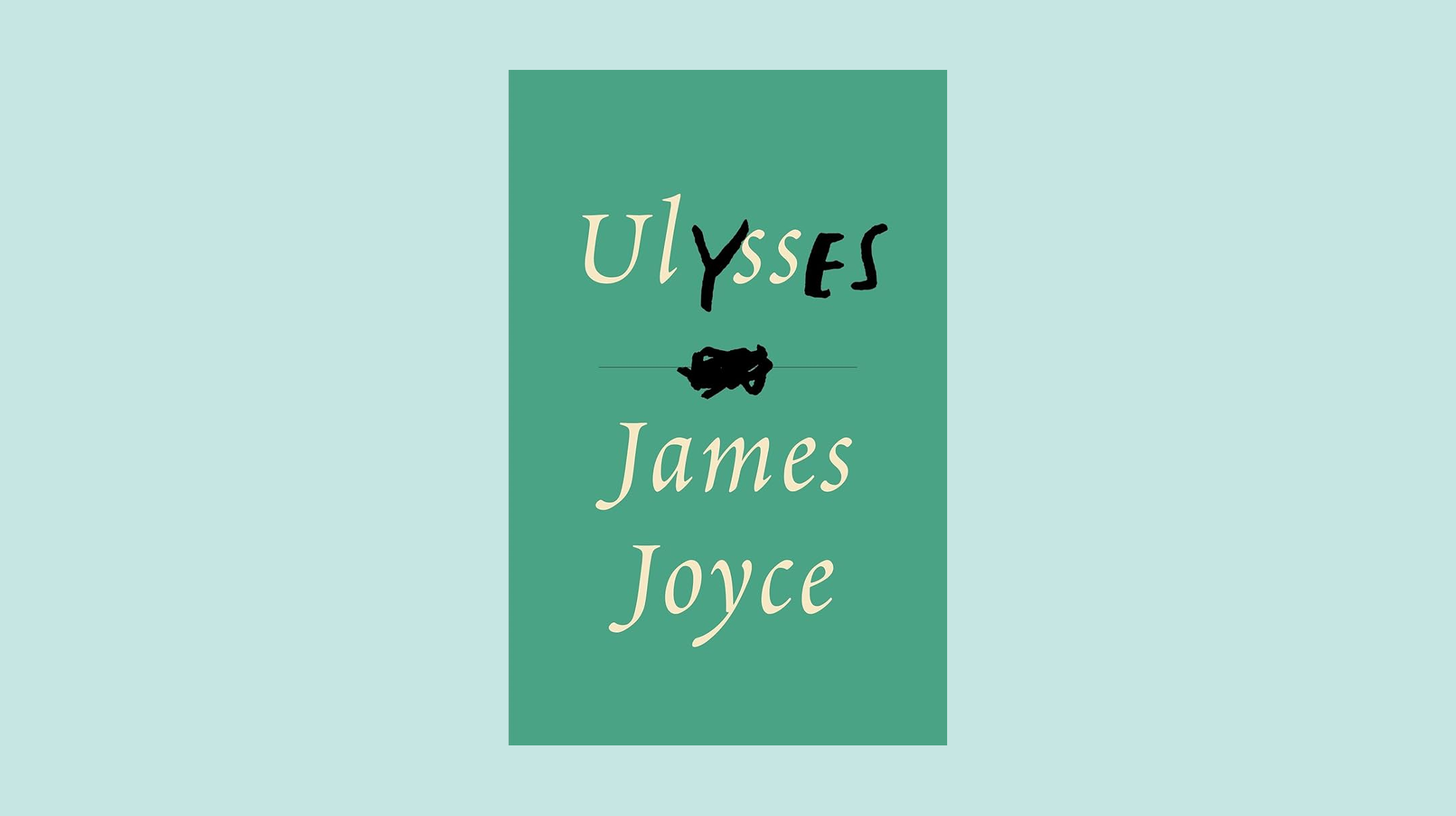

James Joyce’s Ulysses, published in 1922, is often hailed as one of the greatest and most difficult novels in English literature. The book chronicles a single day—June 16, 1904—in the lives of three Dubliners: Leopold Bloom, Stephen Dedalus, and Molly Bloom. But beneath its ordinary timeline lies a complex web of language, symbolism, and human experience that continues to challenge and captivate readers.
At its core, Ulysses is a modern retelling of Homer’s Odyssey, transposed onto the streets of Dublin. Each chapter mirrors a part of the ancient epic, but Joyce’s version is grounded in the mundane details of everyday life: walking, eating, thinking, and interacting. This mix of the epic and the ordinary creates a rich tapestry that explores identity, memory, and the search for meaning.
Joyce’s writing style in Ulysses is famously experimental. He uses stream of consciousness—a technique that mimics a character’s inner thoughts—as well as shifting narrative voices, puns, and dense allusions. This can make the novel difficult to follow, especially on a first read. But for those who persist, the rewards are profound: a deeper understanding of human psychology and the power of language itself.
The characters are complex and fully realized. Leopold Bloom, a Jewish advertising agent, navigates the challenges of marriage, identity, and loneliness with a quiet resilience. Stephen Dedalus, a young writer and intellectual, wrestles with questions of art, religion, and family. And Molly Bloom’s famous final soliloquy offers a candid, unfiltered glimpse into a woman’s mind, challenging early 20th-century views on gender and sexuality.
Ulysses was banned and controversial for decades due to its frank language and themes, but its influence on literature is undeniable. It opened the door for new forms of storytelling and reshaped the possibilities of the novel. Today, it stands as a monument to modernism and to the city of Dublin itself.
While Ulysses demands effort and patience, it remains a rewarding journey for readers willing to embrace its complexity. It’s a novel that forces us to rethink how stories can be told—and how the smallest moments in life can carry enormous significance.
For anyone seeking a literary challenge that explores the depths of human thought and experience, Ulysses remains a masterpiece worth the climb.