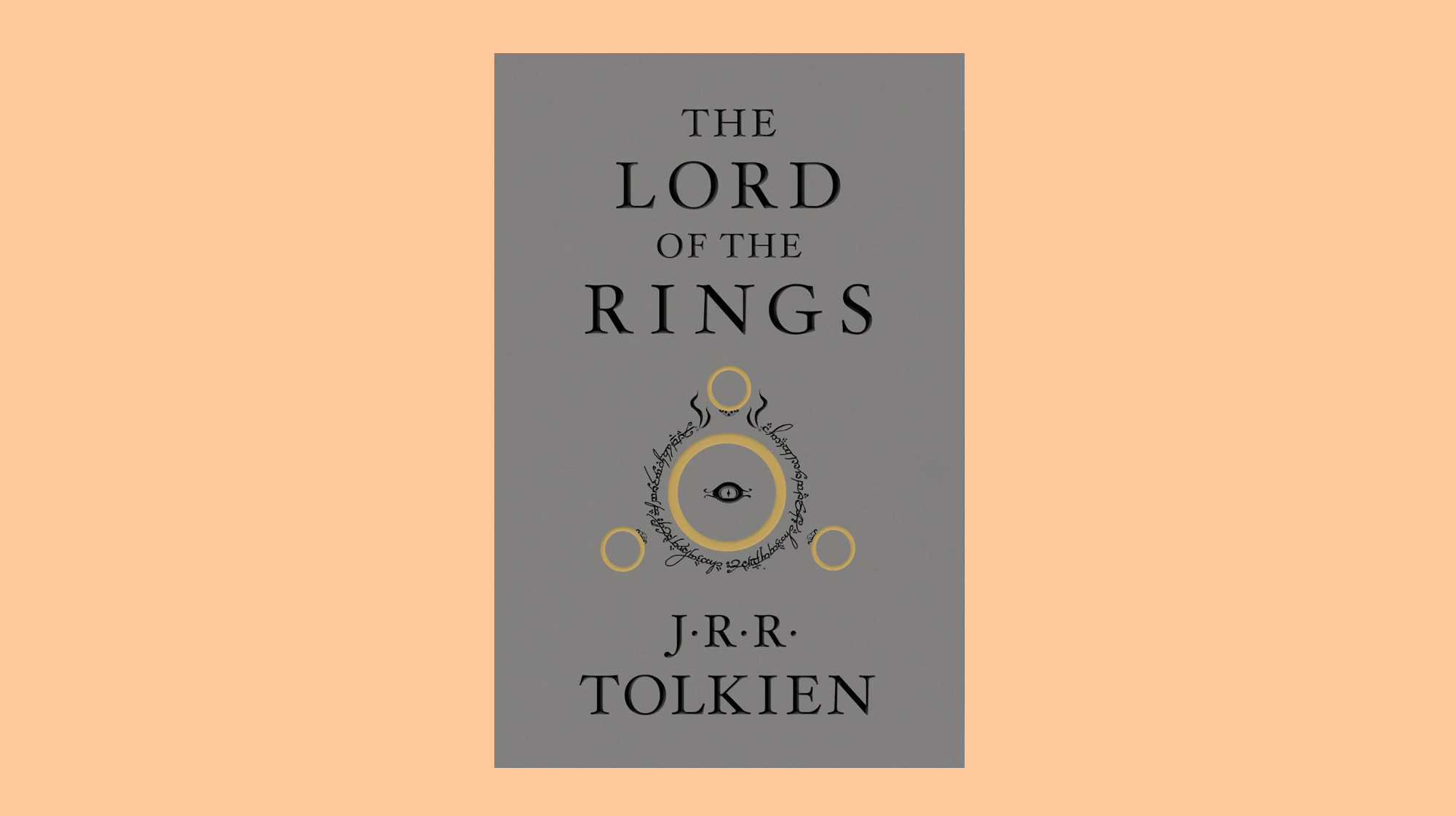

In an age of fractured attention spans and fast-moving entertainment, J.R.R. Tolkien’s The Lord of the Rings stands as a monumental achievement in imagination, language, and moral storytelling. First published between 1954 and 1955, the epic trilogy—The Fellowship of the Ring, The Two Towers, and The Return of the King—invites readers into the fully realized world of Middle-earth, where the fate of both small and great depends on the choices made in dark times.
At its heart, The Lord of the Rings is a story about ordinary people rising to meet extraordinary challenges. Frodo Baggins, a humble hobbit from the peaceful land of the Shire, is entrusted with a task that could change the course of the world: to destroy the One Ring, a source of terrible power created by the dark lord Sauron. With a small band of companions, including humans, elves, a dwarf, and other hobbits, Frodo embarks on a quest that is as much about inner strength as it is about physical distance.
Tolkien’s prose is deliberate and poetic, often pausing to admire the beauty of the landscape or the sadness of ancient ruins. The pacing may feel slow to modern readers, but the reward is immersion. Middle-earth feels alive, not only because of the detailed maps, languages, and histories Tolkien crafted, but because it is filled with characters who wrestle with fear, loyalty, courage, and corruption.
The moral weight of the story never feels heavy-handed. Tolkien, a veteran of World War I and a scholar of ancient literature, understood that true evil isn’t just about armies and monsters—it’s about the temptation to use power for one’s own ends. And true heroism often means resisting that temptation, even when no one is watching. The Ring’s corrupting influence is not just a plot device; it is a metaphor for any tool that promises power at the cost of the soul.
Some critics have dismissed the trilogy as escapist fantasy, but Tolkien himself disagreed. His work, deeply influenced by his Catholic faith and academic background, was meant to offer hope. It reminds us that even in the darkest times, light can still shine through. The loyalty between Frodo and Sam, the wisdom of Gandalf, and the courage of Aragorn all point toward a belief in goodness that endures—even when it seems lost.
Tolkien did not write The Lord of the Rings for fame or money. He wrote it out of love for storytelling and a desire to build a mythology for England. What he ended up creating was something far larger: a myth that belongs to the world. For generations, readers have returned to Middle-earth not just to be entertained, but to be inspired.
Nearly 70 years later, The Lord of the Rings remains a towering example of what literature can do. It entertains, it challenges, and it endures. In the end, it reminds us that even the smallest person can change the course of the future.