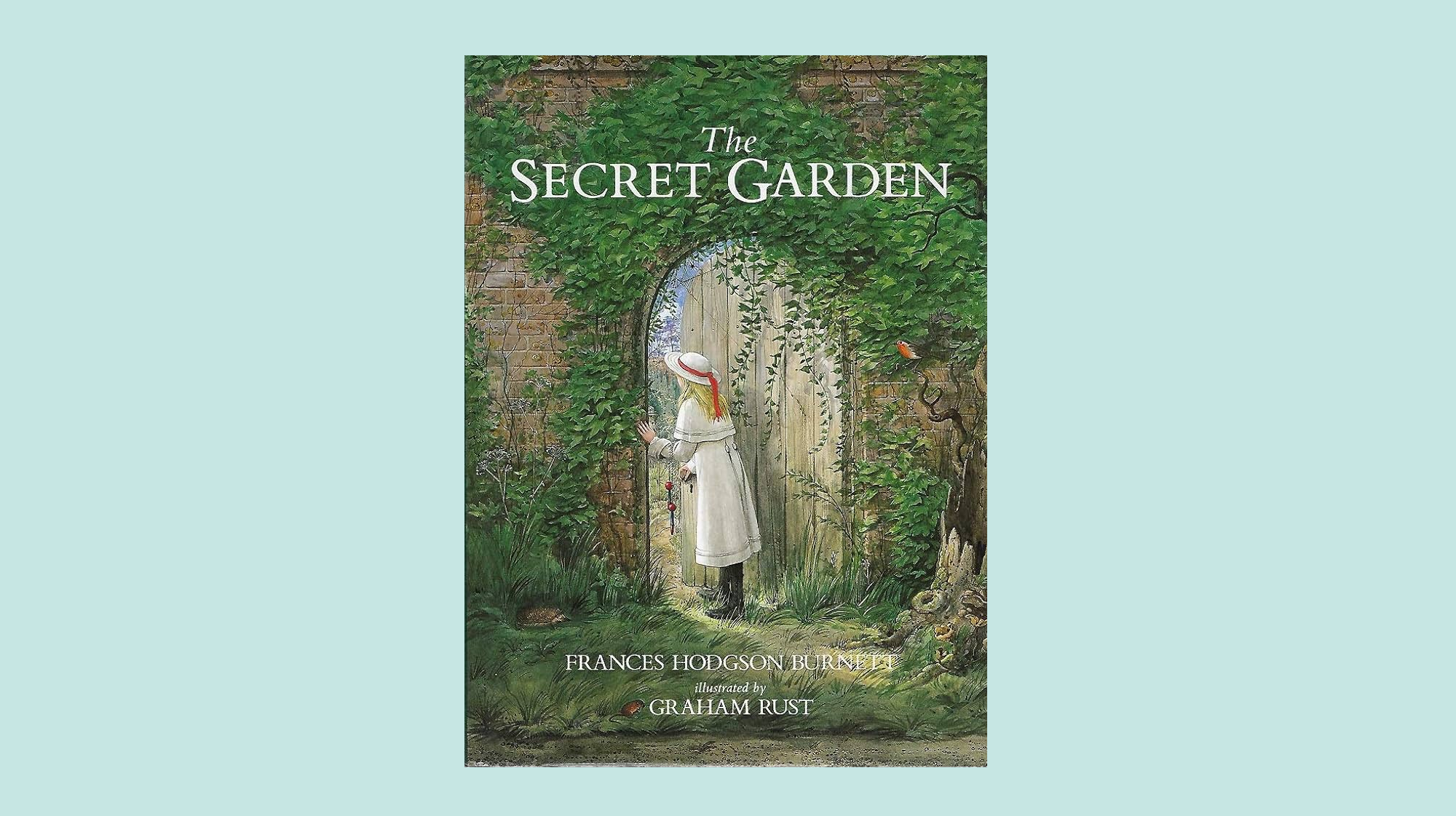

There is a quiet magic to The Secret Garden—not of spells or fairy dust, but of something more real: healing, growth, and the transformation that happens when we begin to care for something beyond ourselves. First published in 1911, Frances Hodgson Burnett’s novel has remained a beloved classic, not simply because it is a children’s book, but because it captures universal truths about loneliness, hope, and the redemptive power of nature.
At the center is Mary Lennox, a sour, self-centered child raised in colonial India, who is suddenly orphaned by a cholera outbreak and sent to live in the cold, gray English countryside with an uncle she has never met. The world of Misselthwaite Manor is vast and full of secrets—including a locked garden, hidden behind ivy-covered walls, that has been abandoned since the death of Mary’s aunt.
What follows is not just a story of uncovering physical keys and secret places, but of emotional discovery. Mary’s curiosity awakens her from years of neglect, and her connection to the garden becomes a metaphor for inner growth. As she brings the garden back to life, she also draws in others: Colin, her sickly, spoiled cousin, and Dickon, the nature-loving boy who understands animals and people with equal gentleness.
Burnett’s writing may seem simple on the surface, but its themes run deep. She explores grief, isolation, and the importance of companionship in a way that speaks to readers of all ages. There’s an old-fashioned sentimentality at work, but it’s balanced with honest emotions and a strong sense of place.
In a modern world of screens and noise, The Secret Garden feels almost revolutionary. It reminds us that sometimes what we need most is silence, stillness, and a small patch of earth to tend. More than a children’s tale, it is a call to nurture—to heal others and, by doing so, to heal ourselves.