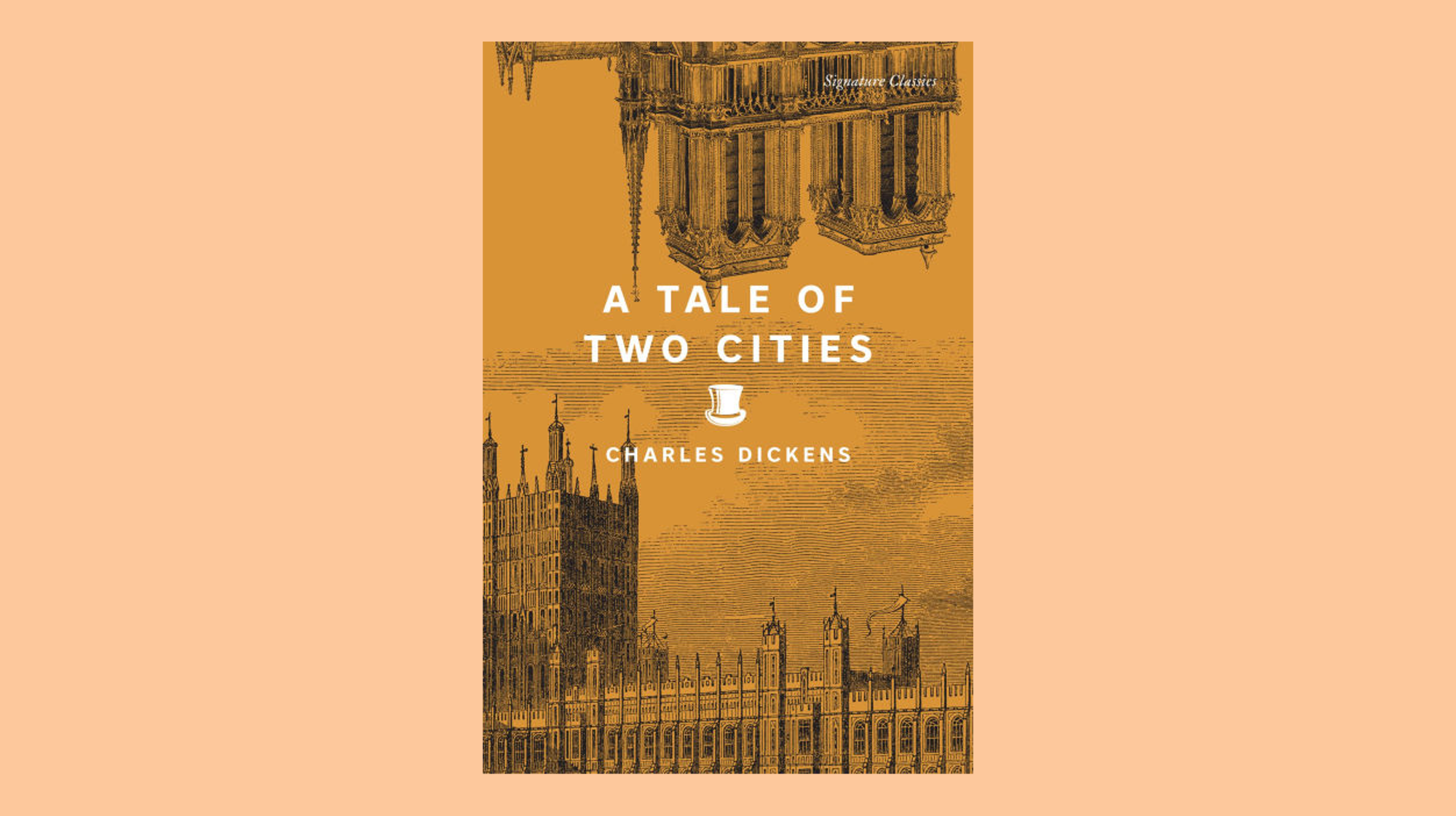

Few opening lines in literature are as well-known—or as dramatically contradictory—as “It was the best of times, it was the worst of times.” From the first sentence, Charles Dickens sets the tone for A Tale of Two Cities, his sweeping historical novel about love, sacrifice, and political upheaval during the French Revolution. First published in 1859, the book remains one of Dickens’s most popular and gripping works, blending fast-paced storytelling with deep moral questions.
Set in both London and Paris, the novel follows the fates of several characters caught in the chaos of revolution and personal redemption. At its heart is Sydney Carton, a disillusioned English lawyer who undergoes a quiet transformation from wasted potential to tragic hero. His love for Lucie Manette, the kind and virtuous daughter of a wrongly imprisoned man, gives him purpose in a world where justice is as shaky as the guillotine’s blade is sharp.
Dickens’s portrayal of the French Revolution is vivid and emotional, filled with images of suffering peasants, vengeful mobs, and the terrifying machinery of execution. Yet he resists the temptation to simplify. The revolutionaries are not always heroes, and the aristocrats are not always villains. Dickens instead explores how violence, however justified in its origins, can consume the humanity of those who wield it.
There is also a clear thread of Christian self-sacrifice woven throughout the novel. Sydney Carton’s final act—giving his life so that another man might live—is among the most powerful in all of Dickens’s fiction. It asks readers to consider what true greatness looks like: not in power or pride, but in selfless love and quiet courage.
Though it is steeped in history, A Tale of Two Cities feels oddly relevant today. It reminds us how quickly society can shift, how deep injustice can breed chaos, and how individuals still matter in the face of massive change. Dickens shows us not just the horror of a divided world, but the hope that can still shine through it.