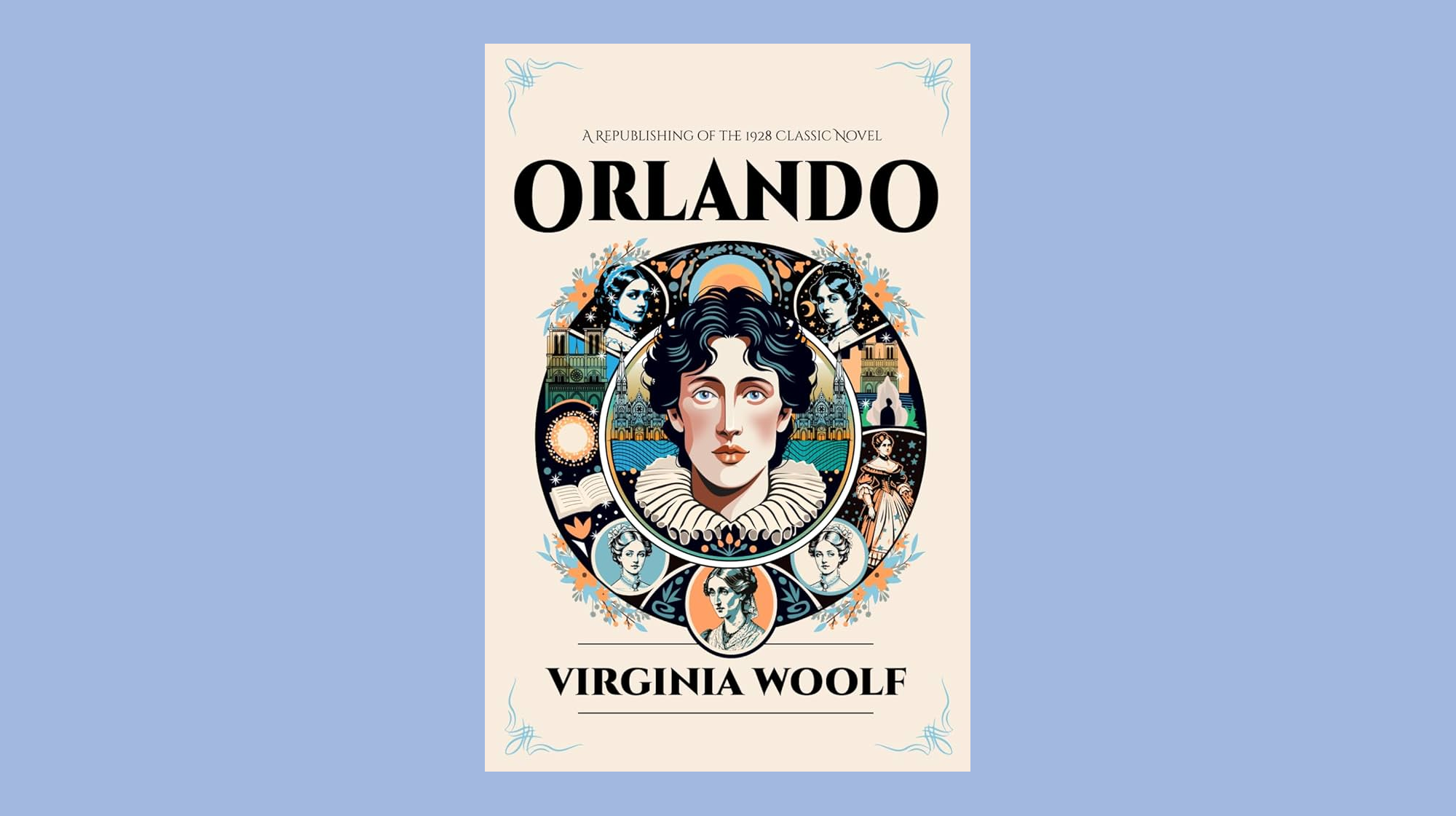

When Virginia Woolf published Orlando in 1928, she called it a “biography,” but even a hundred years later, no one quite knows what to call it. A love letter to her close friend and muse Vita Sackville-West, a satire of Victorian norms, and a philosophical journey through time, Orlando is a genre-defying exploration of identity, gender, and the strange performance of life itself.
At first glance, the story seems simple: Orlando is a young nobleman in Elizabethan England. He writes poetry, falls in and out of love, and—at the age of 30—mysteriously transforms into a woman. From there, “she” lives for hundreds of years, witnessing the changing shape of history, society, and even the English language.
In an age where identity is again the subject of debate and division, Woolf’s novel reads less like a relic of the past and more like a quiet—but—radical revolution. Orlando is one of the first novels to explore the idea that gender can be fluid and change over time. The story follows Orlando, who lives for centuries and changes from a man to a woman halfway through the book. This idea challenges the traditional belief that gender is fixed and tied to biological sex. While Orlando was groundbreaking and imaginative, it also presents views on gender that raise important concerns regarding biology, tradition, and social stability.
One of the main ideas in Orlando is that gender is not essential or fixed. Orlando’s change from male to female does not change who they truly are on the inside. Woolf suggests that identity comes from the soul or self, not from one’s biological sex. From a conservative point of view, this idea conflicts with reality, where biological sex plays a big role in shaping a person’s life and experiences. Ignoring these natural differences can weaken the understanding of human nature and the social roles that come from it.
[amazon_product_button]
Woolf also shows gender as a social role—something people “perform” depending on culture and time, rather than something they naturally “are.” This view rejects the idea that men and women are different in important ways. Instead, it claims that society forces people to act certain ways because of their gender. This view ignores the value of traditional gender roles, which have helped keep families and communities strong for centuries. Treating gender as just a performance leads to confusion and hurts the stability of society.
The novel also treats the idea of gender change as a positive, freeing experience. Woolf writes about Orlando’s transformation with lightness and acceptance. This fits with Woolf’s broader rejection of traditional morals and Christianity. She criticized religion for being narrow and self-centered, while promoting her own modern ideas.
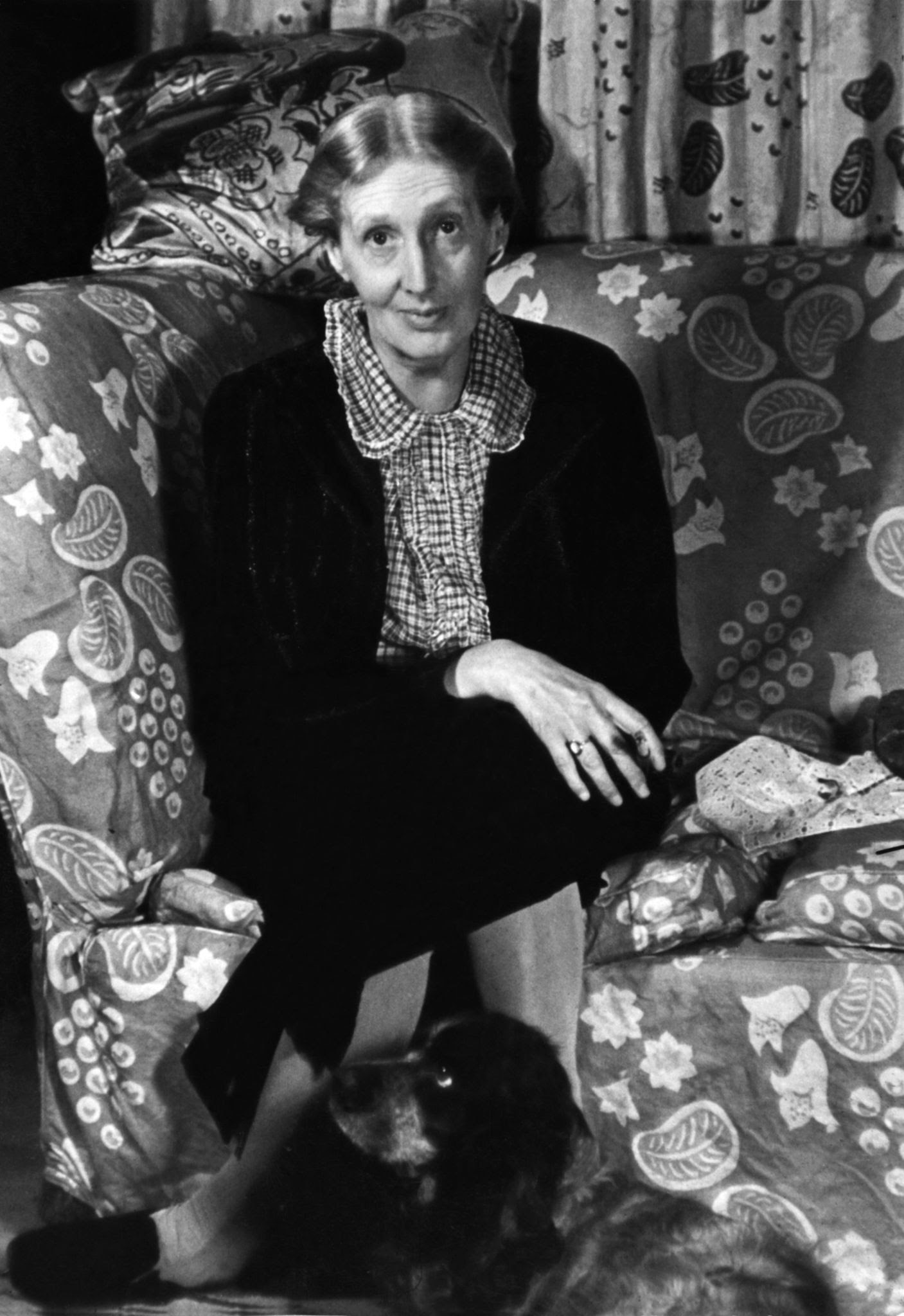
Woolf, who was critical of religion—especially Christianity—once wrote that her husband, a Jewish man, had more true love and faith than Christians, whom she saw as self-righteous. Her strong views often appeared in her writing, which explored feminist and lesbian themes, especially during a time when such topics were rarely discussed openly.
Woolf’s rejection of Christianity and religious teachings are important because it deny basic fundamental truths that stabilize marriages, preserve families, and the recognize that men and women have different but complementary roles.
Decades following Woolf’s death, Orlando became important to feminist and LGBTQ+ movements, especially in the 1970s. Woolf’s influence on literature and culture is clear. The book and its ideas helped weaken society’s respect for marriage, gender roles, family life, and biological reason. Normalizing the idea that gender can change easily encourages doubt and uncertainty, especially among young people. This has hurt the idea of lifelong marriage and made it harder for families and societies to grow strong.
In summary, Orlando tells the story of a person who lives for over 300 years, changing from a man to a woman and experiencing many historical periods. Woolf uses this story to explore how society treats men and women differently and to challenge old ideas about gender and identity. The book is creatively written, marketed to feel daring, but its ideas about gender do not align with a basic understanding of biology and social order.
Virginia Woolf’s Orlando is an important work of modern literature because of its contributive impact, but its views on gender and identity clash with traditional beliefs about human nature and society. By treating gender as flexible and based on culture, rather than biology, the novel challenges truths that are essential for a healthy family and society. Orlando is best seen as a product of its time—a bold experiment with ideas—that has birthed a monster.