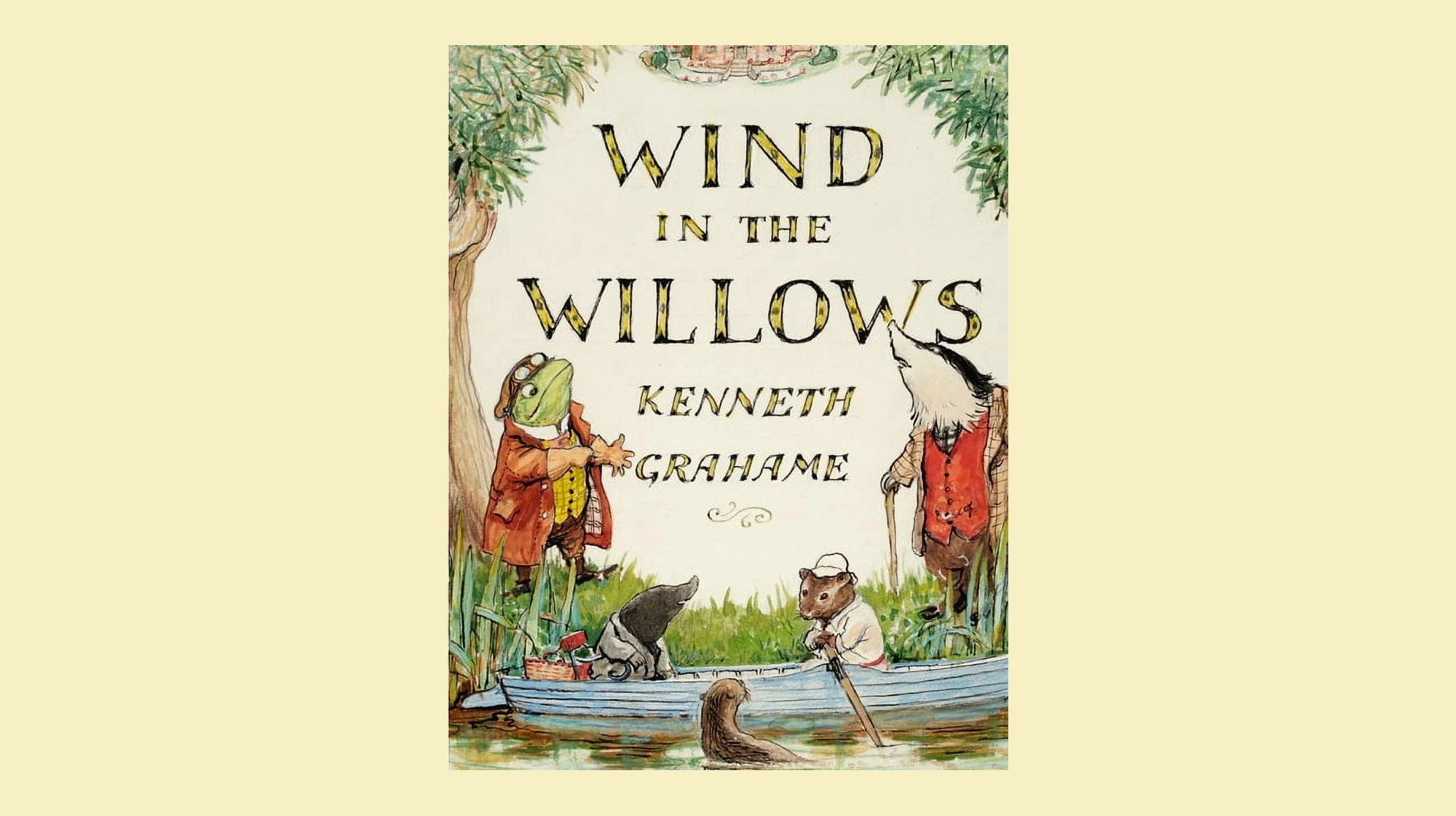

Kenneth Grahame’s The Wind in the Willows (1908) is a charming and enduring tale that has captivated readers for over a century with its blend of whimsy, adventure, and heartfelt reflection. Set along the riverside in an idyllic English countryside, the novel follows a group of animal friends—Mole, Ratty, Badger, and the impulsive Toad—as they navigate the challenges of friendship, responsibility, and change.
Grahame’s richly detailed descriptions bring the natural world vividly to life, creating a serene backdrop that contrasts with the lively and sometimes reckless personalities of his characters. Mole’s innocent curiosity, Ratty’s love of the river, Badger’s quiet wisdom, and Toad’s extravagant escapades combine to offer both humor and insight into human nature, despite their animal forms.
The novel’s episodic structure, with each chapter unfolding a new adventure or lesson, invites readers to savor its gentle pace and subtle moral reflections. Grahame’s prose is elegant yet accessible, capturing the innocence and complexity of childhood while also appealing to adult readers through its nostalgic tone.
At its core, The Wind in the Willows celebrates the value of friendship, loyalty, and the comforts of home, while warning against the dangers of reckless behavior and selfishness. It remains a beloved classic, a timeless reminder of the joys found in simple pleasures and steadfast companionship.