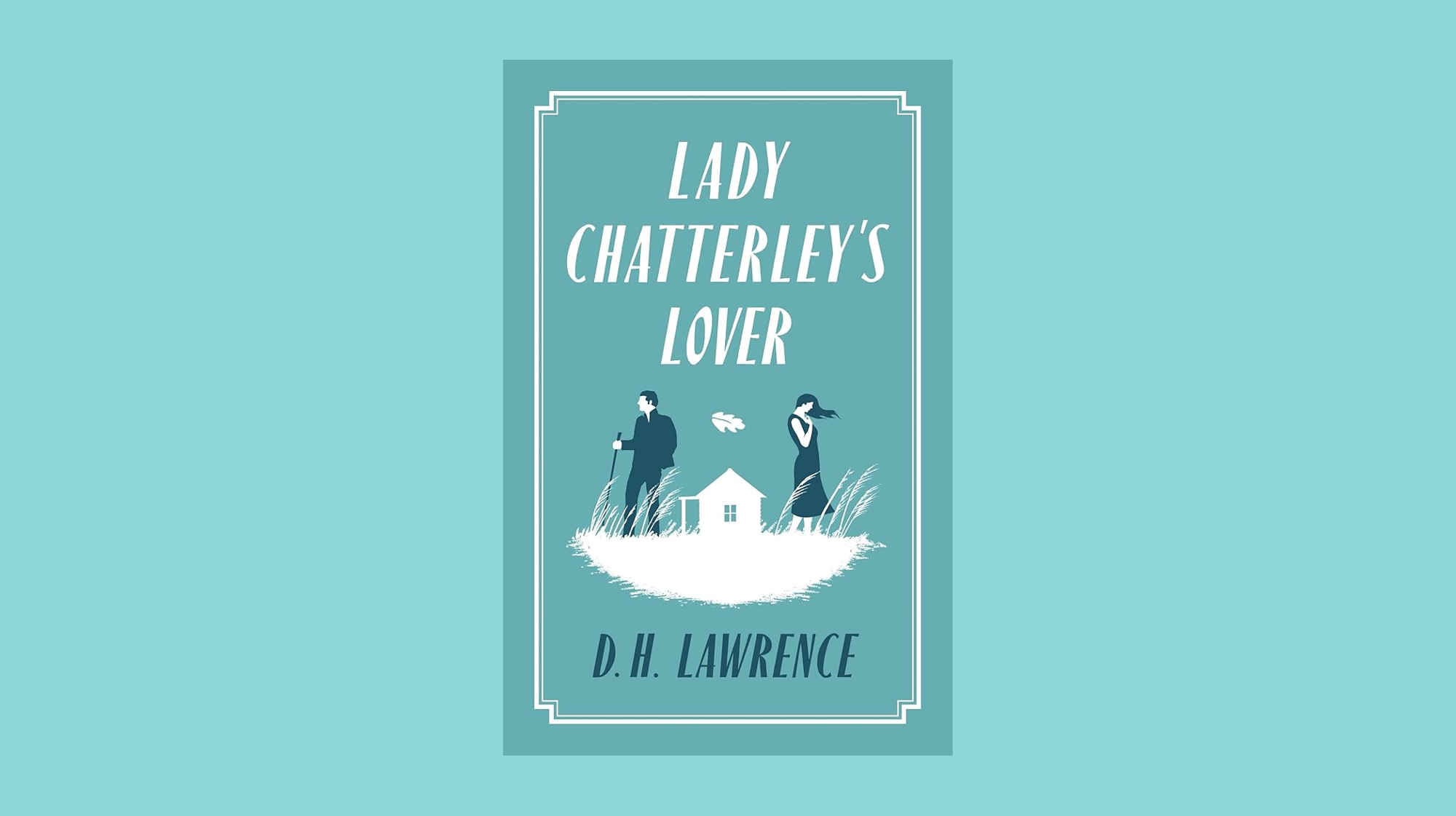

When Lady Chatterley’s Lover was first published unabridged in the United Kingdom in 1960, it quickly became a cultural lightning rod. The novel, written by D.H. Lawrence in 1928, had long been banned for its content and was prosecuted under the newly passed Obscene Publications Act of 1959. Penguin Books won the case, and the book was soon in the hands of millions. Many celebrated it as a triumph of free speech and literary expression. But more than sixty years later, it’s worth asking: what exactly was being defended?
The story centers on Constance Chatterley, an upper-class woman whose husband, Clifford, is paralyzed from the waist down following his service in World War I. Their marriage becomes emotionally and physically distant. Constance eventually begins an affair with the gamekeeper, Oliver Mellors, a working-class man, in a relationship that blends physical passion with emotional intimacy. For Lawrence, this was a radical exploration of human connection and natural instincts, meant to break down barriers between classes and challenge social repression.
However, beneath the poetic language and philosophical ideas lies a troubling portrayal of marriage and commitment. The novel elevates personal fulfillment and sexual liberation above the bonds of loyalty and the vows made between spouses. Constance’s decision to seek love outside her marriage is portrayed not as a betrayal, but as a necessary step toward “wholeness.” In doing so, the book places individual desire above mutual duty, a message that can be read as undermining the foundational idea of marital fidelity.
In many ways, Lady Chatterley’s Lover became a symbol of shifting post-war values. The sexual revolution of the 1960s would soon follow, and the novel was heralded as part of that cultural moment. But readers coming from a more traditional or faith-based perspective might see something else: the beginning of a cultural turn in which personal autonomy eclipsed responsibility to others, especially within marriage.
Lawrence’s writing is undeniably powerful. His descriptions of the English countryside are vivid, and his characters are drawn with psychological depth. Still, the novel’s core philosophy—that love divorced from moral or social obligations is the highest form of truth—raises concerns. If romantic or physical satisfaction becomes the chief aim of life, what becomes of duty, sacrifice, or commitment? In Lady Chatterley’s Lover, these values are either sidelined or quietly dismissed.
Furthermore, the novel’s tone suggests a criticism not just of Constance’s marriage, but of the very institutions that uphold traditional moral structures: marriage, religion, class hierarchy. Some have argued that the book paved the way for a kind of modern individualism that leaves little room for the idea that love should endure hardship, or that commitment might require perseverance over pleasure.
To be sure, Lawrence was reacting to a culture he saw as emotionally and sexually repressed. His call for honesty in human relationships and the embrace of natural feeling had literary and cultural merit. But in sweeping away what he saw as dead social rules, he also discarded the value of self-restraint and the importance of upholding promises—even when inconvenient.
Lady Chatterley’s Lover is a book that helped define an era, and its victory in the courtroom marked a moment of cultural change. But in our rush to embrace its boldness, we should not forget to ask whether its message of self-centered liberation came at the cost of something more enduring: love grounded not just in passion, but in purpose and permanence.