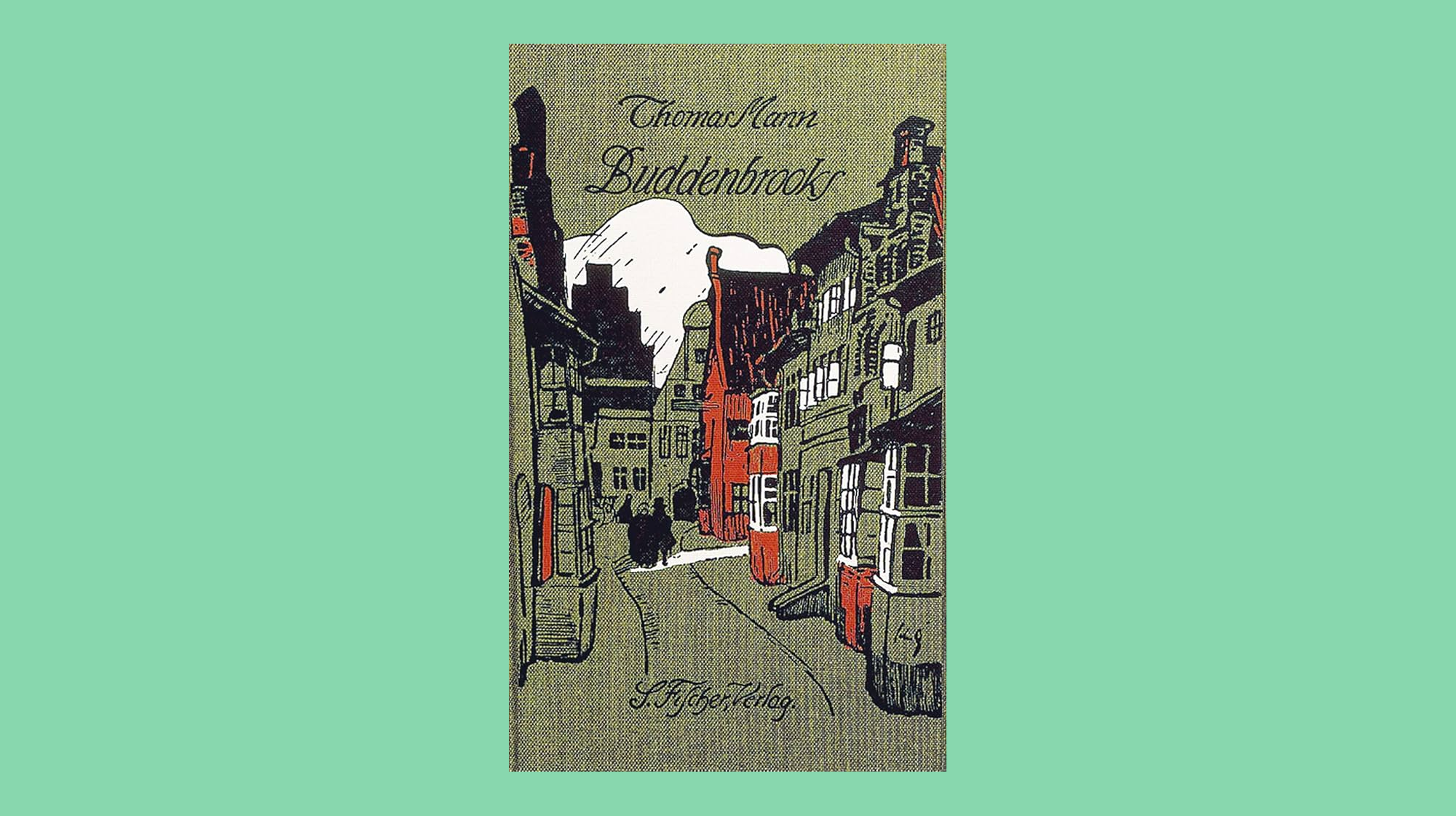

By the time Thomas Mann finished Buddenbrooks at the age of 25, he had already captured what few writers ever manage: the soul of a family laid bare across generations. First published in 1901, this sweeping German novel tells the story of the Buddenbrook family—wealthy merchants in Lübeck—as they rise, struggle, and ultimately fall victim to time, changing values, and internal decay.
Mann approaches the family saga with the precision of a historian and the sensitivity of a philosopher. The novel is quiet but never dull, its strength found in how carefully it traces the transformation of character through circumstances. At first, the Buddenbrooks seem to be model citizens: respected, orderly, proud of their name and reputation. But as each generation inherits not only the family business but also its burdens, cracks appear in the foundation. Their decline is not dramatic or scandalous—it is slow, even noble—but that’s what makes it all the more tragic.
Tony Buddenbrook, lively and headstrong, is one of the book’s most memorable characters, her romantic misfortunes echoing the larger disappointments of the family’s ambitions. Thomas, the moral center and eventual head of the business, is admirable in his efforts but weighed down by duty. Mann seems to suggest that idealism and rigid honor, though once signs of strength, can turn brittle and break under modern pressures.
Buddenbrooks is not a page-turner in the usual sense. It demands patience, but it rewards close reading with moments of striking insight—especially as it meditates on the meaning of success, the inevitability of change, and the loss of tradition. There’s also a deep sadness running underneath the story, as if Mann mourns the passing of an era even while he critiques it.
It’s easy to see why Mann received the Nobel Prize in Literature, largely because of this book. He didn’t just write about one family; he wrote about all families that struggle to hold on to values while the world insists on moving forward. More than a historical novel, Buddenbrooks is a reminder that progress often comes at a personal cost.