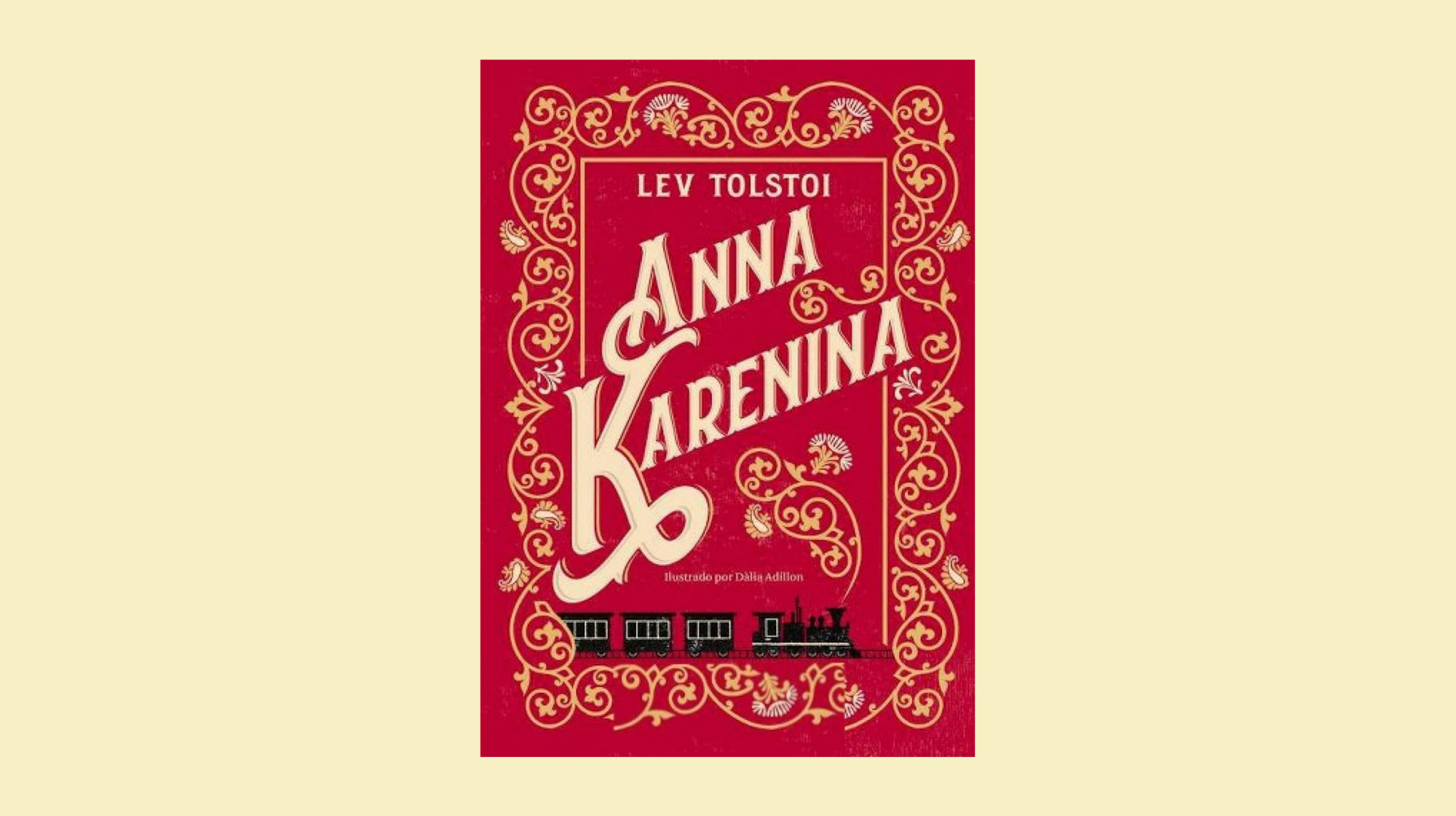

It begins with one of the most famous lines in literature: “All happy families are alike; each unhappy family is unhappy in its own way.” With that, Anna Karenina sweeps readers into a world of aristocratic Russia—where love, betrayal, and the relentless judgment of society unravel the lives of its characters. Published in installments between 1875 and 1877 and in book form in 1878, Leo Tolstoy’s masterpiece remains one of the most emotionally powerful and psychologically rich novels ever written.
At its center is Anna, a beautiful, intelligent woman trapped in a loveless marriage. Her passionate affair with Count Vronsky shocks the upper class, and the price she pays for her pursuit of happiness becomes unbearable. Tolstoy doesn’t give us a simple moral story. Instead, he presents Anna’s fall with deep empathy, asking us to consider the impossible choices a woman faces when she dares to challenge social conventions and follow her heart.
But Anna Karenina is more than just Anna’s story. It is also the story of Konstantin Levin, a landowner searching for meaning in a world that often feels shallow. Levin’s quiet, spiritual journey provides a counterpoint to Anna’s emotional chaos. Where Anna is torn apart by passion and pressure, Levin wrestles with purpose, morality, and faith. Through him, Tolstoy explores questions of work, family, and belief in a rapidly changing world.
What makes the novel truly remarkable is Tolstoy’s insight into human emotion. He captures jealousy, joy, longing, and despair with such honesty that the characters feel alive. Even as readers may disagree with Anna’s choices—or Levin’s—they cannot help but understand them. That complexity is what makes this novel feel just as urgent and relevant today.
Though set in the glittering salons and country estates of 19th-century Russia, Anna Karenina speaks to timeless issues: love and loyalty, freedom and duty, the roles women are forced to play, and the way society punishes those who refuse. In the end, Anna is not a villain, nor a saint, but a woman crushed under the weight of a world unwilling to bend.
Tolstoy’s brilliance lies not just in his storytelling, but in his understanding of what it means to be human. Anna Karenina is not only a love story—it is a tragedy, a warning, and a call to see others with compassion, even when they fall.