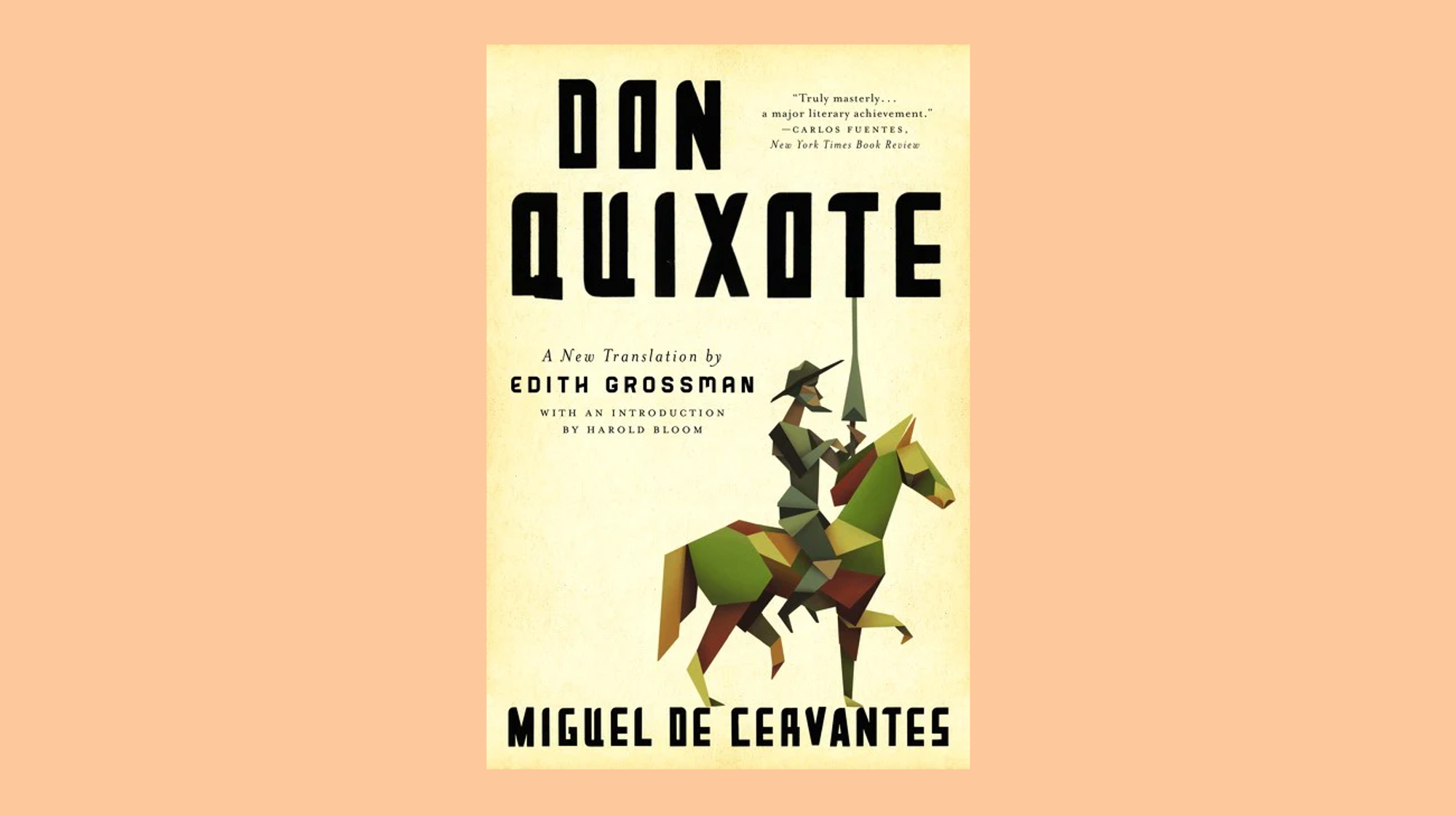

Miguel de Cervantes’ Don Quixote, first published in 1605, remains one of literature’s most enduring and influential works. At once a comic masterpiece and a profound exploration of idealism and reality, the novel follows the adventures of Alonso Quixano, a man so enamored with chivalric romances that he adopts the name Don Quixote and sets off to revive knighthood in a world that has long abandoned it.
Cervantes masterfully blends humor and tragedy, painting a portrait of a man caught between his lofty dreams and the harsh truths of everyday life. Don Quixote’s noble, if misguided, pursuit of justice and honor is both inspiring and pitiful, illustrating the tension between idealism and practicality. His loyal squire, Sancho Panza, serves as a grounded foil, embodying common sense and earthy wisdom.
[amazon_product_button]
The novel’s rich satire critiques the outdated notions of chivalry while simultaneously celebrating the human capacity for hope and imagination. Cervantes’ layered storytelling captures the complexity of human nature, revealing how illusions can both uplift and deceive. Through Don Quixote’s misadventures, readers are invited to question the nature of reality and the value of dreams in a changing world.
Don Quixote remains relevant today, as it speaks to the universal struggle between aspiration and reality, and the courage it takes to pursue one’s convictions despite inevitable setbacks. Cervantes’ work is a cornerstone of Western literature, shaping the modern novel and continuing to inspire readers with its timeless themes and unforgettable characters.