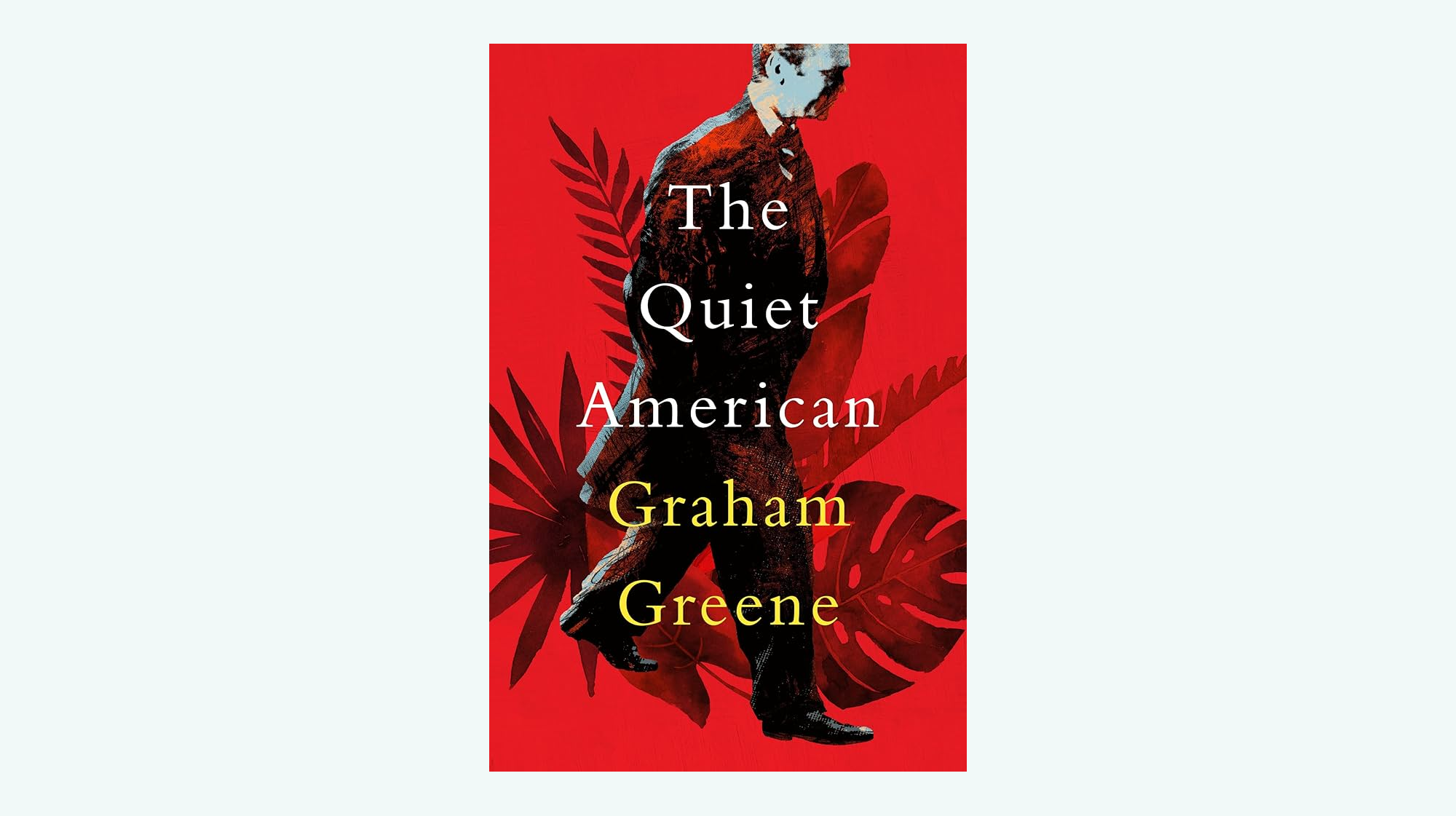

Graham Greene’s The Quiet American (1955) remains a powerful and provocative novel that probes the tangled politics and moral ambiguities of postwar Vietnam. Set against the backdrop of a country on the brink of conflict, Greene masterfully intertwines a personal story of love and betrayal with a broader critique of foreign intervention and ideological naivety.
The novel follows Thomas Fowler, a cynical British journalist covering the early stages of American involvement in Vietnam, and Alden Pyle, the “quiet American” whose idealistic and well-intentioned actions mask a dangerous political agenda. Through Fowler’s skeptical eyes, Greene exposes the complexities of colonialism, nationalism, and Cold War politics, raising difficult questions about morality, responsibility, and the unintended consequences of intervention.
Greene’s prose is sharp and atmospheric, immersing readers in the tense, humid streets of Saigon and the underlying unease that permeates the city. The narrative’s measured pace allows for a deep exploration of character motivations and political tensions, while the moral dilemmas faced by Fowler and Pyle provide a timeless meditation on the costs of idealism unmoored from reality.
At once a gripping thriller and a thoughtful political allegory, The Quiet American challenges readers to reconsider the simplistic binaries often applied to international conflicts. Greene’s nuanced portrayal of flawed characters caught in a morally gray world makes this novel as relevant today as it was upon publication.