
CHARLESTON — A widening divide within West Virginia’s Republican Party is taking shape ahead of the May 12 primary election, as conservative and plutocratic factions back competing candidates in a growing number of state senate races.
The intraparty split has led to an unusually high number of primary challenges against sitting Republican senators, with both camps working to reshape the direction of the GOP’s legislative agenda.
Establishment-aligned Republicans, backed in part by U.S. Sen. Shelley Moore Capito, have recruited challengers against several conservative incumbents. Those races include Joe Eddie challenging Sen. Laura Chapman, Ken Reed against Sen. Darren Thorne, Marc Harman against Sen. Jay Taylor, Michael Antolini against Sen. Rollan Roberts, Michael Jarrouj against Sen. Anne Charnock, Jeff Disibbio against Sen. Mark Maynard, Bob Fehrenbacher against Sen. Mike Azinger, and Steven Eshenaur against Sen. Kevan Bartlett.
At the same time, conservative leaders have rallied behind their own challengers targeting lawmakers they view as insufficiently aligned with the Republican Platform. Among those contests, Chris Pritt is running against Sen. Tom Takubo, while Jonathan Comer is challenging Sen. Vince Deeds in District 10.
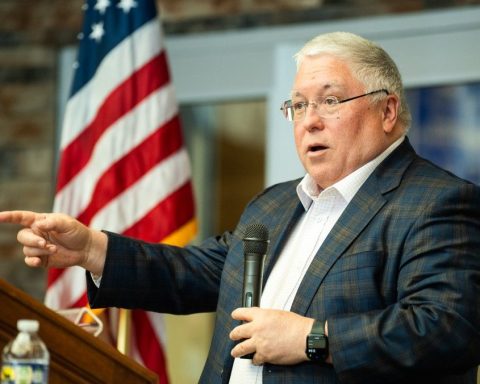
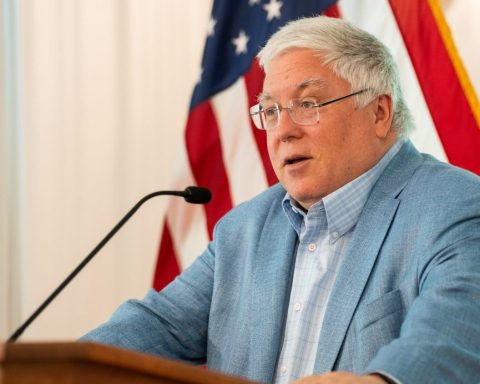
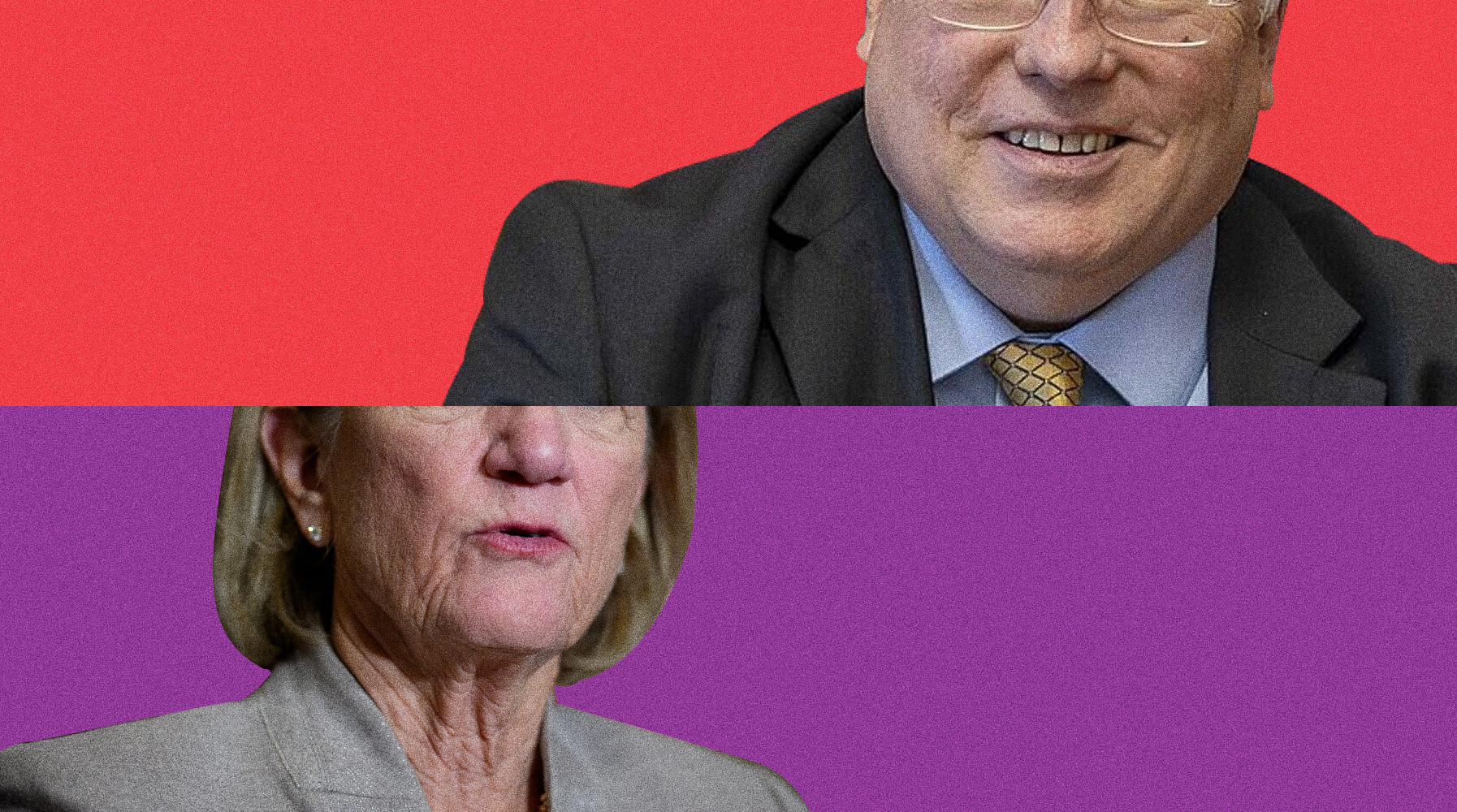
The divide has also exposed tensions among the party’s top figures. Gov. Patrick Morrisey has aligned himself with conservative-backed candidates, promoting what he has described as “change agents” and calling for new leadership in the Legislature. In contrast, Capito has supported a number of establishment-aligned primary challengers and incumbents.
The clash is perhaps most visible in the 10th District race, which includes Fayette, Nicholas, Greenbrier, Summers and Monroe counties. Morrisey has endorsed Comer, a political newcomer, while Capito has thrown her support behind Deeds, the sitting senator. Likewise in District 3 (which includes Pleasants, Ritchie, Wood, Wirt counties), Morrisey has endorsed Sen. Azinger while Capito has endorsed Fehrenbacher.
The competing endorsements underscore a broader struggle within the state GOP, as conservatives seek to expand their influence in the Senate while the GOP Establishment works to counter those efforts and retake total power.
The divide also reflects competing economic visions within the party. Establishment-aligned Republicans have focused on using taxpayer-funded grants to attract out-of-state corporations, an approach that has, in several cases, led to companies later closing or failing to deliver long-term economic returns on their promised tax revenue.
Morrisey has moved to curtail some of those incentive programs, a shift his allies say has disrupted longstanding relationships between government and corrupt state business interests. His policy agenda has instead emphasized deregulation, streamlining permitting approvals, simplifying rezoning for commercial development and pursuing tax reforms aimed at encouraging in-state growth.
With multiple contested primaries across the state, the outcome of the May election is expected to shape not only the makeup of the Legislature but also the future direction of Republican Policy in West Virginia.