February 26, 1972
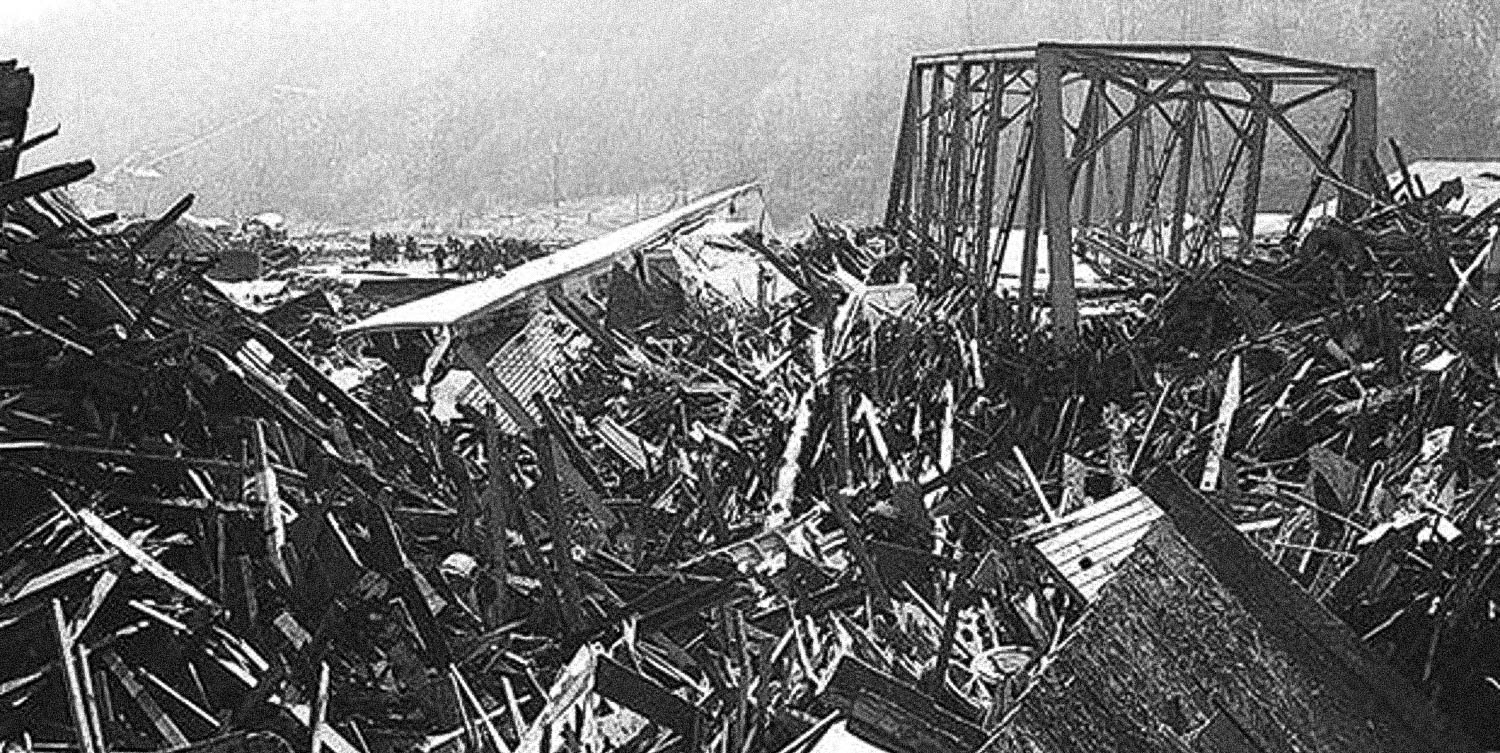
BUFFALO CREEK — Fifty-three years after a wall of coal waste and water tore through the narrow hollow of Buffalo Creek, killing 125 people, the disaster remains one of the most searing examples of how corporate negligence and political decisions compounded tragedy in Southern West Virginia.
On the morning of February 26, 1972, three coal waste dams owned by the Buffalo Creek Mining Co., a subsidiary of Pittston Coal, collapsed after heavy rain. The failures unleashed an estimated 130 million gallons of black water, sludge and debris that swept through communities in Logan County, destroying more than 500 homes and damaging hundreds more. More than 1,000 people were injured, and thousands were left homeless.
Investigations later found the dams were improperly constructed, built atop loose coal waste and not engineered to withstand major rainfall. Despite visible warning signs, including cracks near the crest of the upper dam, no evacuation order was issued before the collapse.
Survivors and families of victims filed hundreds of lawsuits against Pittston. In 1974, 645 plaintiffs reached a settlement totaling $13.5 million, an amount that averaged about $13,000 per person after legal fees, a figure many victims later said failed to reflect the scale of their losses.
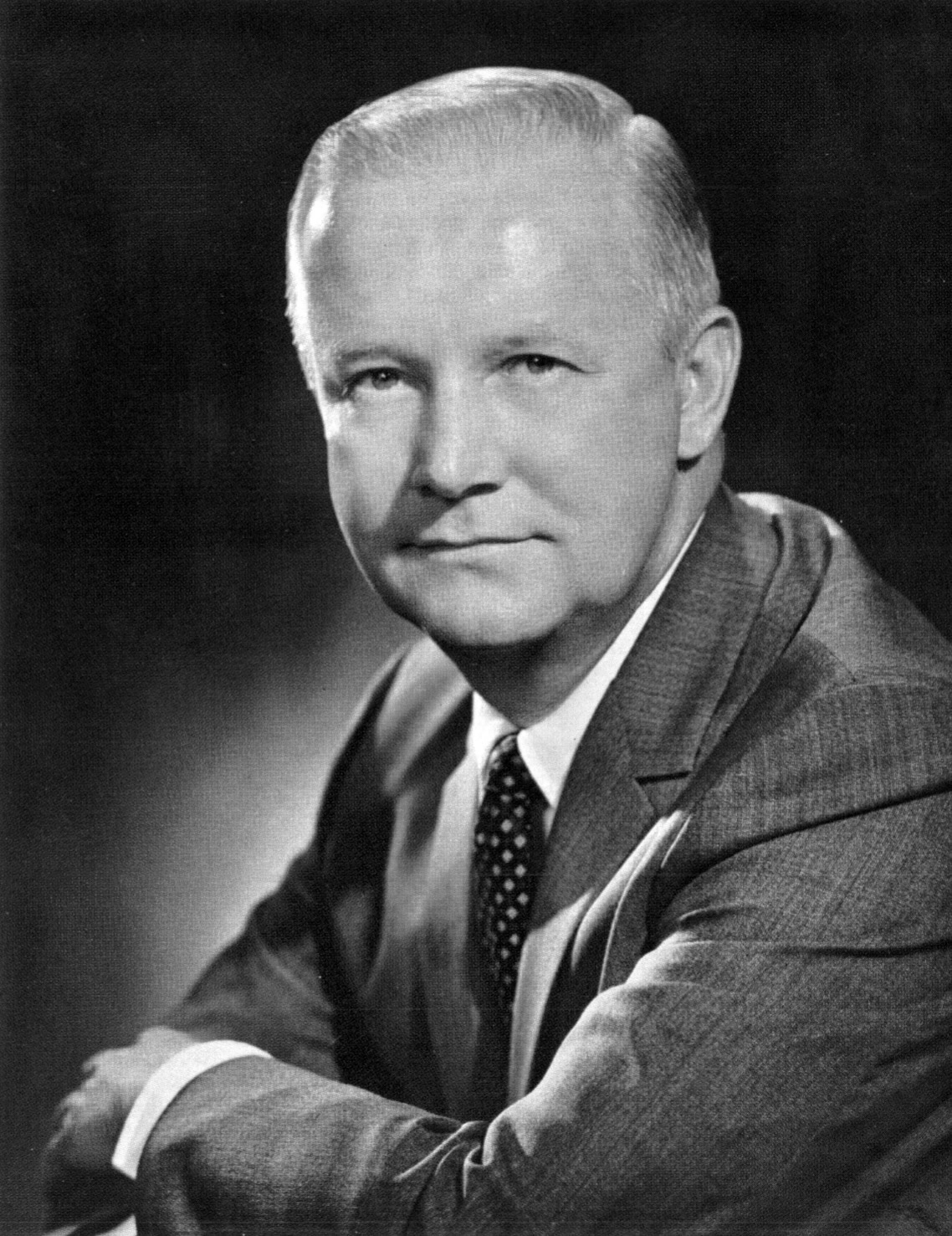
West Virginia also sued Pittston, seeking $100 million for damage to state property and recovery costs tied to the disaster. But on January 14, 1977, then-Gov. Arch Moore abruptly settled the state’s claim for just $1 million — three days before leaving office.
The decision drew immediate criticism and followed Moore throughout his political career. The settlement amount was later eclipsed by the state’s own expenses. West Virginia ultimately paid more than $9 million to the U.S. Army Corps of Engineers for cleanup and stabilization work along Buffalo Creek.
Moore, a powerful Republican who served three terms as governor, defended the settlement at the time as pragmatic. Critics, including survivors and labor advocates, called it a capitulation to corporate interests and a betrayal of the victims.
The controversy added to Moore’s long list of ethical questions.
In 1990, Moore pleaded guilty to five felony counts related to campaign finance violations and served time in federal prison.
The Buffalo Creek Disaster helped spur reforms at both the state and federal levels. Congress and West Virginia enacted stricter regulations governing the construction and monitoring of coal waste impoundments, and federal mine safety agencies expanded oversight and engineering standards. Since those rules took effect in the mid-1970s, no similar dam failures have occurred.
Yet for many in Logan County, the legacy of Buffalo Creek is inseparable from the political decisions that followed the flood.
The disaster remains a stark reminder of the human cost of a settlement that, to many, symbolized how cheaply the state’s leadership was willing to put a price on lives lost.