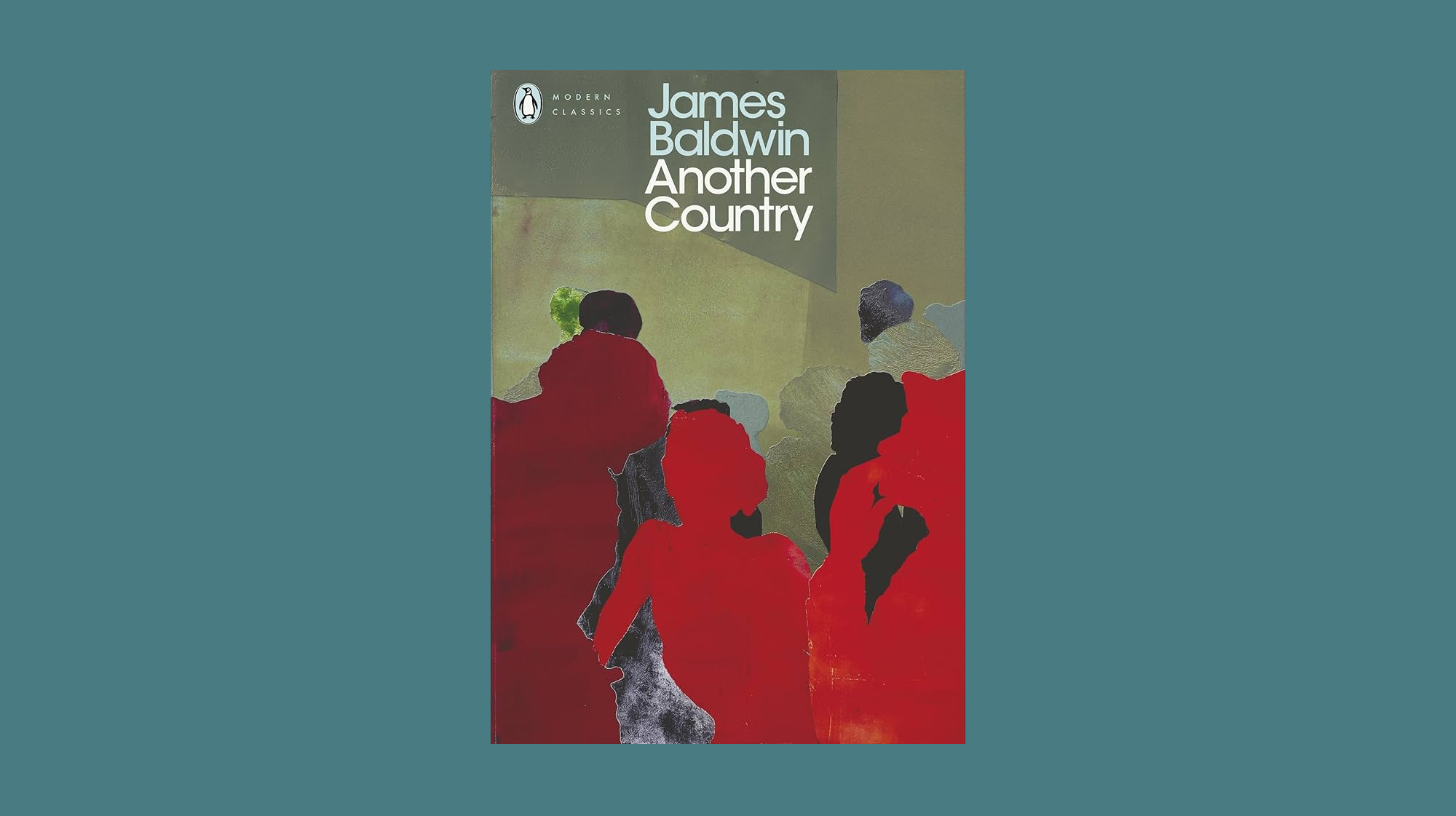

James Baldwin’s Another Country, published in 1962, was groundbreaking for its bold exploration of themes rarely discussed openly at the time: bisexuality, interracial relationships, and extramarital affairs, all set against the backdrop of Harlem’s jazz scene and the Bohemian underworld. While many praise the novel for its fearless portrayal of complex human desires, it also invites critical reflection on how such narratives have influenced cultural shifts that some argue contribute to modern social challenges.
Baldwin’s novel dives deep into a world where traditional boundaries—of race, sexuality, and fidelity—are questioned and often rejected. This exploration, though provocative and revealing of human complexity, can be seen as part of a broader trend toward relativism and secularism that has reshaped societal norms. Much like the cultural ferment of the Weimar Republic, with its celebrated but chaotic embrace of artistic freedom and moral experimentation, Another Country presents a world where conventional values give way to personal freedom—sometimes at the expense of social cohesion.
The novel’s frank treatment of alternative lifestyles and rejection of monogamy reflects a cultural shift toward self-obsession and fragmented intimacy. This shift arguably undermines the foundations of stable family structures, contributing to declining birthrates and a weakened social fabric. By romanticizing relationships outside traditional bounds without fully addressing their consequences, Baldwin’s narrative risks normalizing patterns that many see as destructive to the continuity and health of society.
While Another Country certainly captures the tensions and contradictions of its time, its influence extends beyond literature into the cultural changes we witness today—changes marked by an erosion of long-standing moral frameworks and a rise in individualistic pursuits that often prioritize personal fulfillment over collective responsibility.
In revisiting Baldwin’s work, readers are compelled to question whether the freedoms it celebrates come at too high a cost, challenging us to consider the balance between personal liberty and the enduring values that sustain communities and generations.