 Buy The Call of the Wild
Jack London’s The Call of the Wild, first published in 1903, has the stripped-down intensity of a parable and the punch of a survival narrative. It is a story about a dog—Buck, half St. Bernard, half sheepdog—who is stolen from a genteel California estate and sold into the brutal world of Yukon sled teams during the Klondike Gold Rush. But it is also a story about transformation, about the primal self lurking beneath civilization’s leash. The novel is brief—less than 30,000 words—but dense with fury, beauty, and blood. London’s prose is taut and muscular, infused with the philosophy of naturalism…
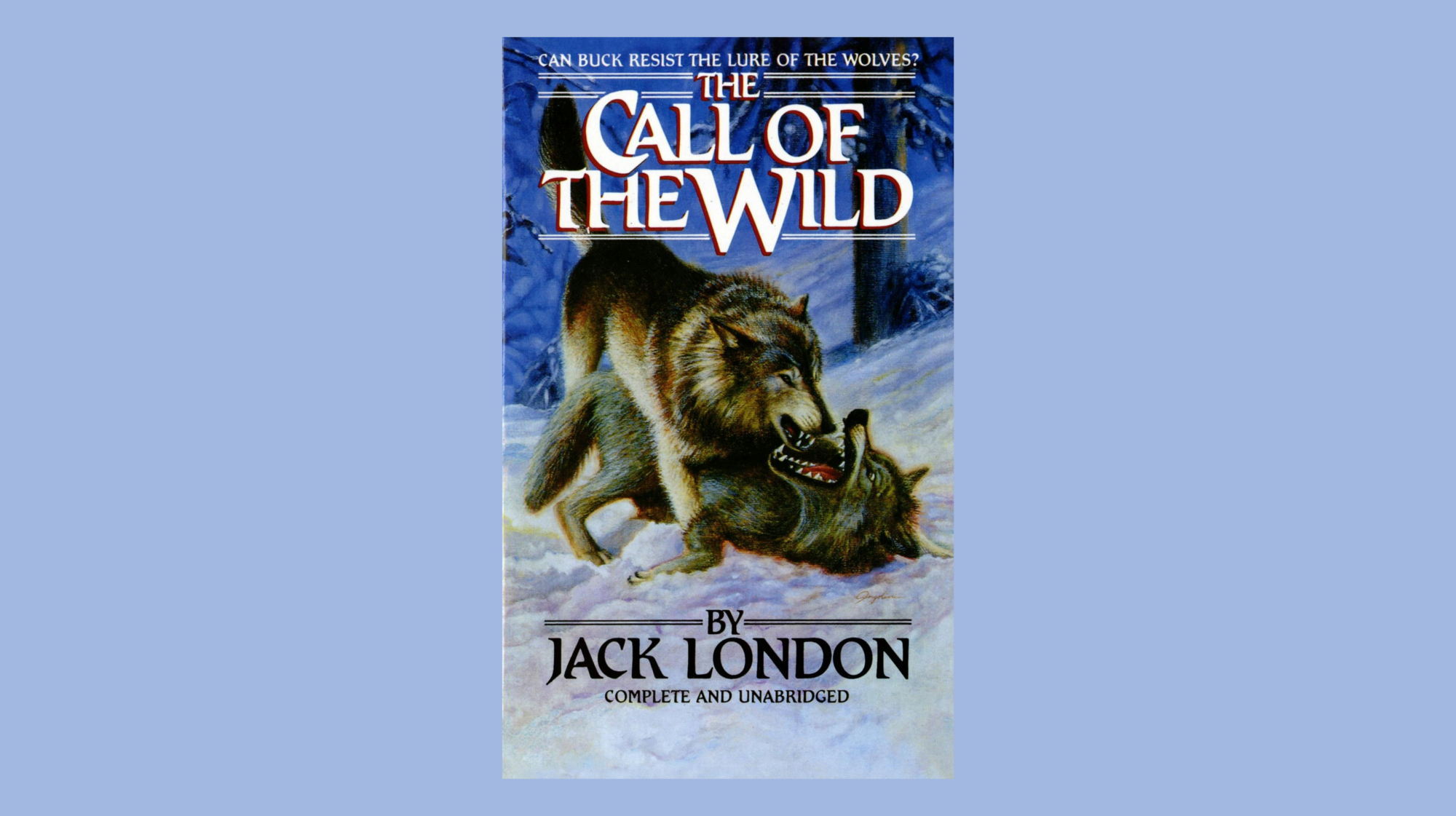
The Enduring Wildness of Jack London’s Classic: The Call of the Wild