WASHINGTON — President Donald Trump said Saturday that U.S. forces have captured Venezuelan President Nicolás Maduro and his wife, Cilia Flores, following what he described as large-scale U.S. strikes in Venezuela, a claim Venezuelan officials disputed as the country declared a national emergency and world leaders urged restraint.
Trump said Maduro and Flores were taken into U.S. custody and flown out of Venezuela. The White House did not immediately release details of the operation, including where or when the alleged capture occurred, nor did it provide independent confirmation.
Venezuela’s government said it does not know the whereabouts of Maduro and Flores and demanded proof that they are alive. Vice President Delcy Rodríguez said in a message broadcast on state television that the government was seeking verification of Trump’s claims.
Venezuela’s defense minister, Vladimir Padrino López, said the country would resist what he called U.S. aggression and announced the total mobilization of the armed forces. “We will prevail, not negotiate and not give up,” he said, urging citizens to remain calm and united.
Interior Minister Diosdado Cabello echoed that message in a national address, calling on Venezuelans to trust the country’s political and military leadership and warning against panic.
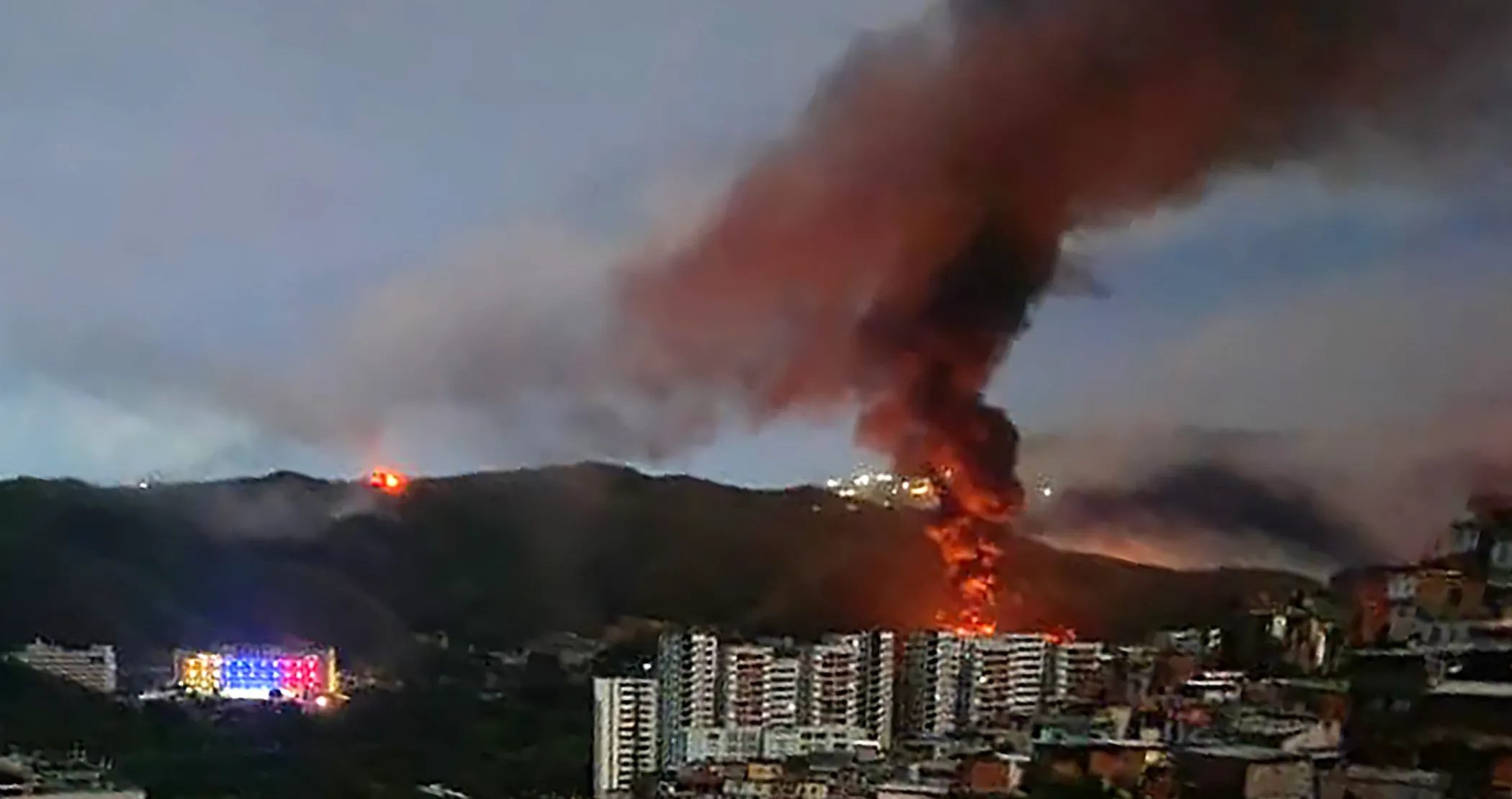
Earlier, Venezuelan authorities accused the United States of attacking civilian and military installations in multiple states. The government said it had declared a national emergency following the strikes. There was no immediate independent verification of the damage or casualties.
U.S. Attorney General Pam Bondi said Maduro and Flores face criminal charges in the Southern District of New York, including narco-terrorism conspiracy, cocaine importation conspiracy, and weapons-related charges. She said they would be prosecuted in U.S. courts. The Justice Department did not immediately release indictments.
A Republican U.S. senator said Secretary of State Marco Rubio told him that Maduro was in U.S. custody and would face trial. The State Department declined to comment.
The developments drew swift international reaction. Colombia said it was deploying security forces along its border with Venezuela and mobilizing humanitarian resources in case of a refugee influx, while rejecting what it called a violation of Venezuelan sovereignty. Mexico condemned the U.S. military action, warning it threatened regional stability.
Cuba accused Washington of a “criminal attack” and called for an urgent international response. Russia said it was deeply concerned and condemned what it described as armed aggression. The European Union said it was closely monitoring the situation, reiterated that it does not recognize Maduro’s legitimacy, and called for respect for international law.
Britain said it was not involved in the U.S. operation. Prime Minister Keir Starmer said his government was seeking to establish the facts and emphasized the need to uphold international law.
Trump said he would hold a news conference later Saturday at his Mar-a-Lago estate in Florida. Allies said he planned to frame the operation as a fulfillment of campaign promises, though critics raised questions about congressional authorization under the War Powers Act.
Maduro, a longtime U.S. adversary, has led Venezuela since 2013 following the death of President Hugo Chávez. His 2024 reelection was widely disputed and not recognized by the United States and many other governments. Washington has imposed sweeping sanctions on Venezuela and has long accused Maduro of corruption and human rights abuses, allegations his government denies.
Analysts warned that even if Maduro has been removed from power, Venezuela faces uncertainty. Senior officials remain active in the country, the military has not indicated it would cede control, and opposition figures are divided over U.S. intervention. Experts cautioned that the situation could escalate into prolonged instability or conflict.
As of Saturday afternoon, neither the White House nor the Pentagon had provided further details to substantiate Trump’s claims, and Venezuelan officials continued to deny having confirmation of Maduro’s capture.