WASHINGTON — A $175 million federal investment to modernize coal-fired power plants across four states is drawing criticism in West Virginia, where officials and industry observers say the funding falls far short of what is needed to sustain the state’s struggling coal fleet.
The U.S. Department of Energy announced the funding earlier last month as part of a broader $525 million initiative to upgrade and extend the life of coal-fired plants serving rural and remote communities. The selected projects include upgrades at the Mountaineer Power Plant in Letart and the John E. Amos Power Plant in Winfield, both operated by Appalachian Power, and the Fort Martin Power Station near Maidsville, operated by Monongahela Power.
While three West Virginia plants were selected, it remains unclear how much of the $175 million will ultimately flow to the state. The funding must be divided among seven projects in West Virginia, Ohio, North Carolina and Kentucky. Initial requests for funding exceeded $1.1 billion, underscoring the gap between what utilities sought and what was awarded.
Critics say the amount is insufficient to meaningfully offset years of economic decline tied to plant retirements and reduced coal production. They argue that federal “green energy” initiatives in recent years have contributed to billions of dollars in economic losses in West Virginia, including job cuts, reduced tax revenues and weakened local economies dependent on coal.
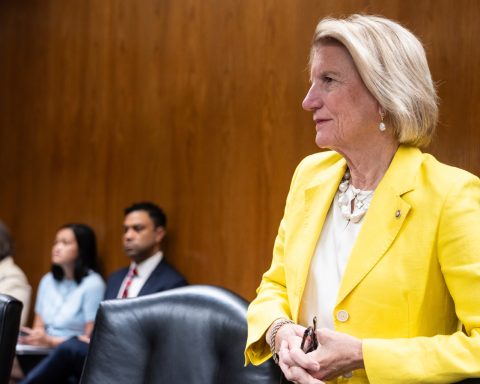
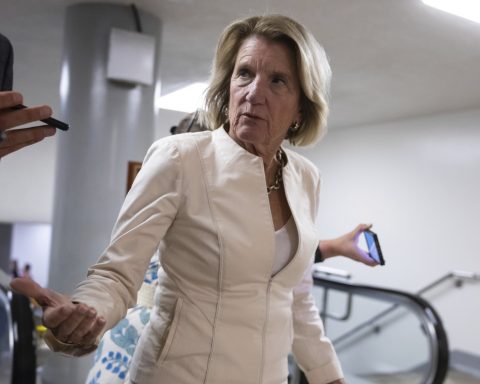
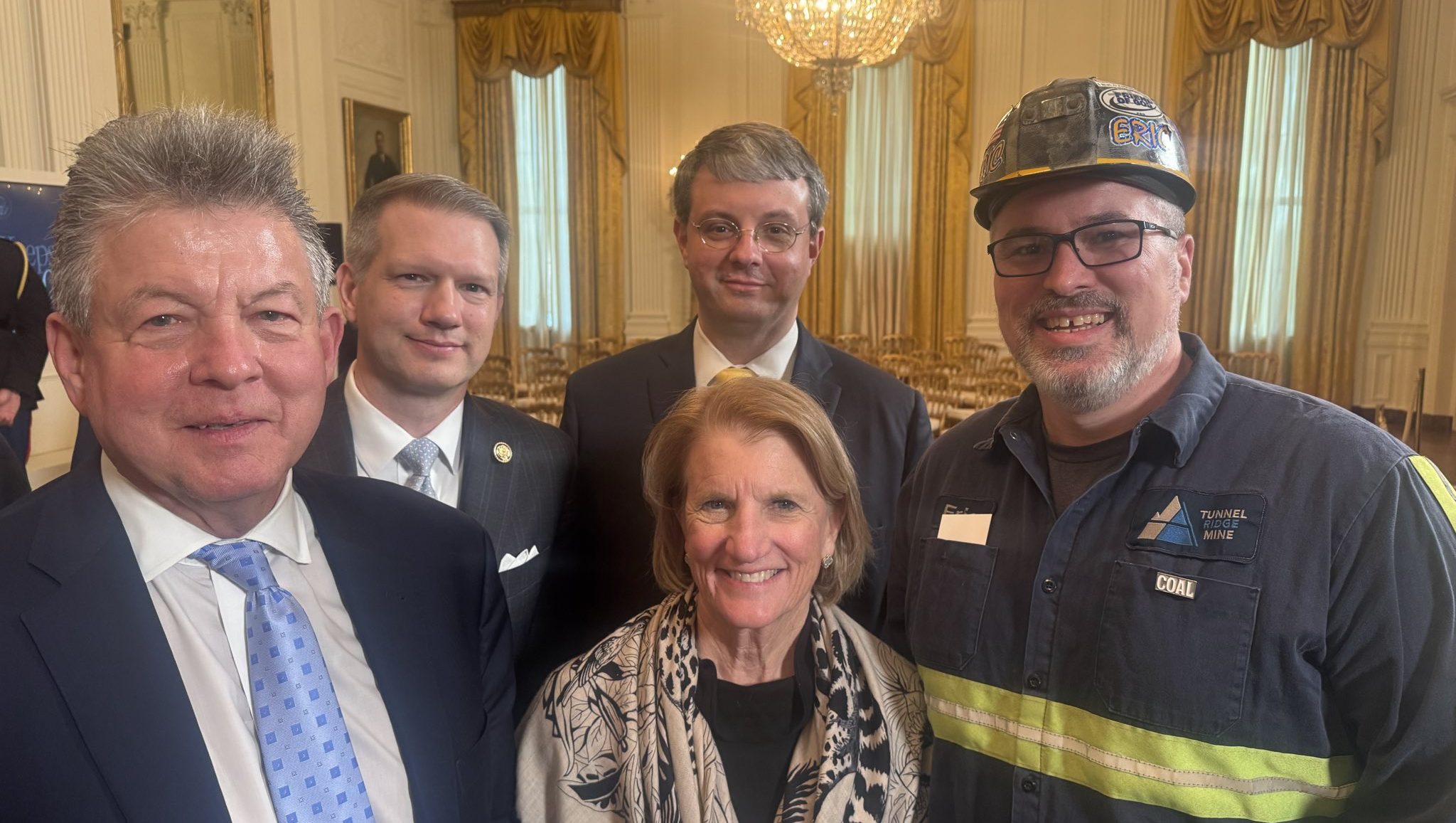
Despite the limited funding, U.S. Sen. Shelley Moore Capito (R-WV) attended the White House announcement and praised the move to her constituents.
In a statement released following the event, Capito said the funding “will help keep coal production thriving in West Virginia and will help keep jobs open for people, like coal miners.”
“What this does, not only for us, is that it keeps our power generation going in West Virginia, but it keeps our coal miners working,” Capito said. “There was a young woman who spoke who is a truck driver there – gets to live in her own community that she loves so much, where the coal mine is located. These are good-paying jobs that are very respected jobs, and I think it would have a good impact on West Virginia.”
Capito also posted on social media that she was “honored to join @potus today at the @WhiteHouse for an event celebrating the coal industry and the hard work these men and women do every day to keep the lights on in WV and across our country,” adding that it was “great to see President Trump recognized for his efforts to prioritize the coal industry—America’s most reliable and affordable energy source.”
Some state energy analysts and local officials, described the event as largely symbolic, arguing that the funding does not come close to covering the capital costs required to comprehensively modernize and extend the life of aging coal-fired facilities.
Major retrofits and environmental upgrades at large coal plants can cost hundreds of millions of dollars per unit, depending on scope. With requests topping $1.1 billion and only $175 million currently awarded, utilities will still face significant financial hurdles to keep plants operating long term.
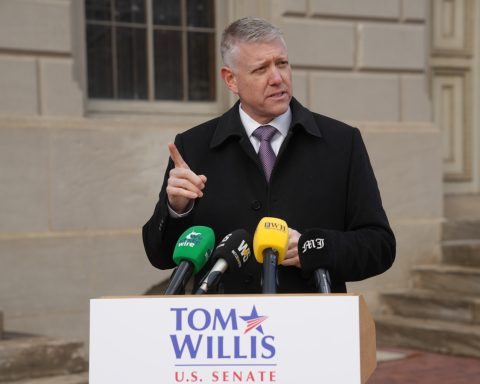
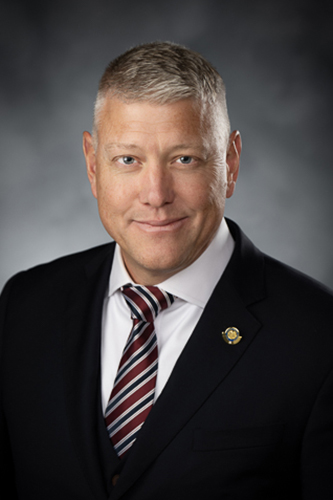
“This is a fraction of what’s actually needed,” Sen. Tom Willis, a state senator and candidate for U.S. Senate, told Mountaineer Journal. “It makes for a good publicity stunt, but it doesn’t fundamentally change the economics facing our coal fired power plants. This is a significant underperformance from our current U.S. Senator who gave over $60 billion to Biden’s ‘green new deal’ projects, but couldn’t even secure 1% of the same level of investment for our state’s most vital industry.”
West Virginia remains one of the nation’s top coal-producing states, and many communities rely heavily on mining and coal-fired generation for employment and local tax revenue. While the DOE has framed the initiative as a way to strengthen grid reliability and preserve high-wage jobs, the long-term outlook for coal in the state continues to depend on market conditions, regulatory policy and future federal support.
For now, the precise share of the $175 million that West Virginia will receive remains unknown, leaving questions about how far the funding will go in stabilizing plants that form a critical part of the state’s energy and economic base.