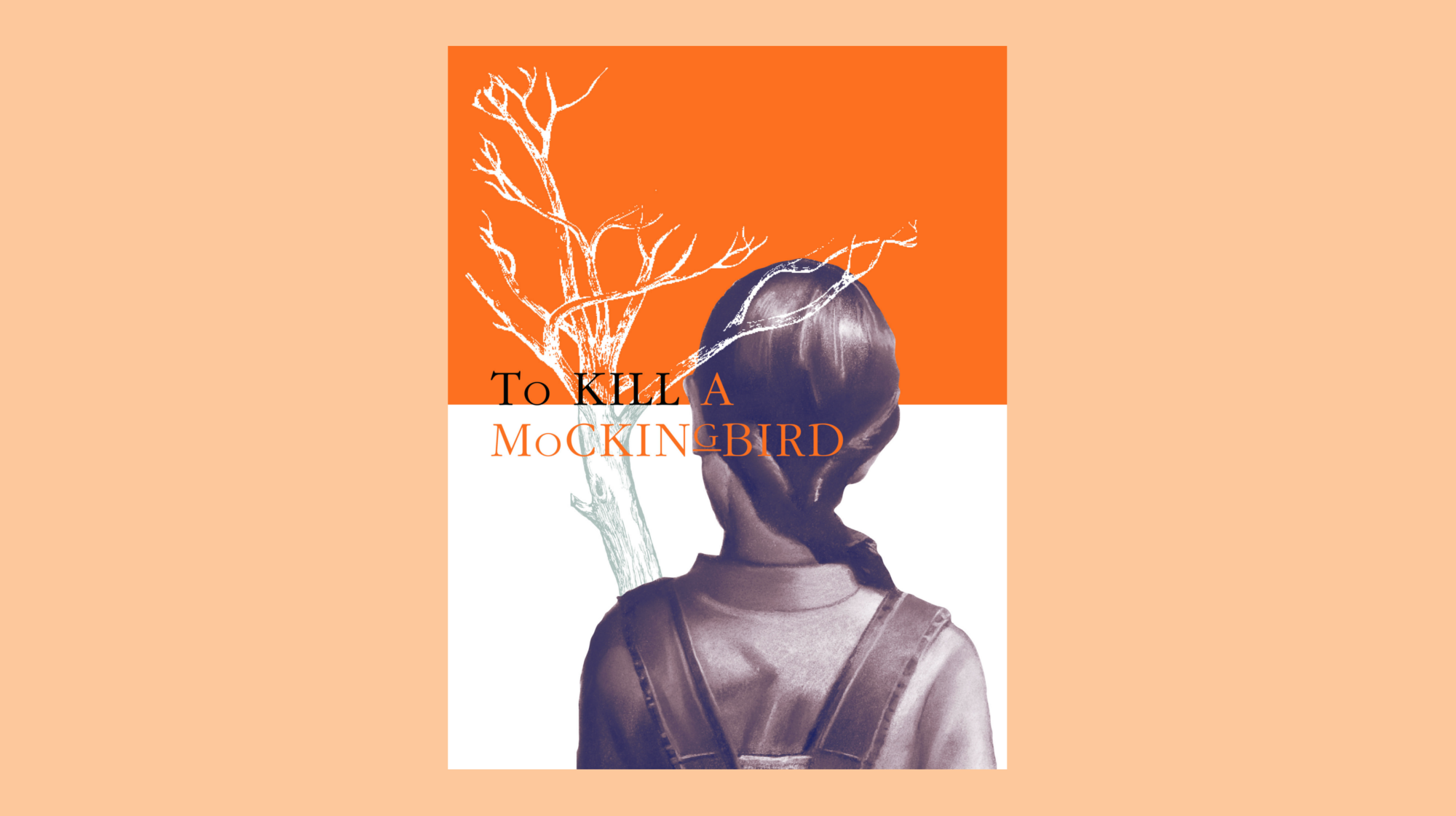

There are books that become so entrenched in the American educational canon, so lovingly embraced by teachers and critics alike, that to question their intent seems almost heretical. Harper Lee’s To Kill a Mockingbird is one such book. For decades, it has been praised as a gentle moral compass, a tender reflection on childhood and justice in a segregated South. But step back from its lyrical storytelling and courtroom drama, and a different picture begins to emerge—one that suggests this novel was not merely literature, but a calculated vehicle for social engineering, designed to push mid-century classrooms toward an emerging progressive racial ideology.
Published in 1960, the book arrived at a moment of national tension—just as the Civil Rights Movement was gathering force and before most Americans had ever heard of desegregation busing or affirmative action. Set in the Depression-era South, the novel centers on Atticus Finch, a white lawyer defending a Black man, Tom Robinson, falsely accused of raping a white woman. The narrative is filtered through the wide, wondering eyes of Scout Finch, a precocious child who learns to challenge the prejudices of her small town.
For many, this is the story of decency triumphing—however briefly—over racism. But for those attuned to the shifting political climate of the 1960s, Mockingbird reads more like a primer for progressive racial politics. Wrapped in the soft prose of Southern nostalgia and moral uplift is a quietly radical message: that America’s legal and cultural institutions—long trusted by generations—are inherently unjust when it comes to race, and that true moral clarity comes not from tradition, but from a reordering of societal values.
This is where its enduring place in public education begins to look less coincidental and more strategic. The book’s widespread adoption in schools came at a time when educational elites were beginning to reimagine the classroom as a site of social transformation rather than civic preservation. In Mockingbird, they found a Trojan horse—beautifully written, emotionally persuasive, and ideologically aligned with the emerging worldview that would, decades later, evolve into what we now call critical race theory.
CRT did not exist in name in 1960, but its intellectual roots—skepticism toward legal neutrality, an emphasis on systemic power structures, and the centering of race in moral analysis—are all faintly visible in Lee’s narrative choices. The white savior, the voiceless Black victim, the condemnation of Southern culture not just for its racism but for its inability to self-correct—these elements laid a soft foundation for future academic currents that would come to challenge the very institutions Lee appears to revere.
This isn’t to suggest that Mockingbird is doctrinaire or crude in its messaging. It is subtle, even artful. But that’s what makes it more effective, not less. Lee’s genius lies in her ability to make radical moral claims through the innocence of childhood and the gravitas of paternal wisdom. Atticus Finch does not burn down the system—he merely stands within it, shining a light on its darkest corners. But for readers in the 1960s, especially young ones, that light pointed not toward reform, but toward repudiation.
There is no denying the novel’s literary merit. Its characters breathe, its dialogue hums, and its sense of place is as vivid as red clay underfoot. But it is also a political document—whether intentionally or not—crafted to gently tilt the hearts and minds of a new generation away from confidence in the American project and toward a posture of permanent critique.
In that sense, To Kill a Mockingbird was less a nostalgic portrait of a broken justice system than a prelude to a broader cultural shift: one that now echoes, decades later, in classroom debates, university curricula, and the very framing of American history. The seeds were planted early, and Harper Lee, it turns out, was not just telling a story—she was shaping one.