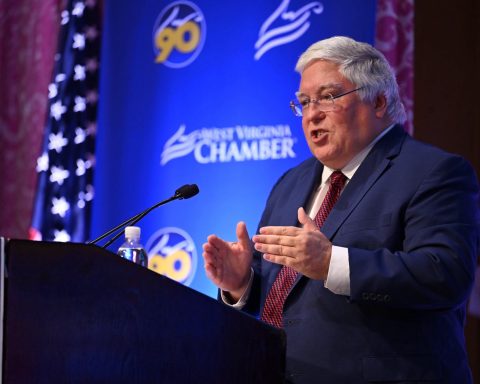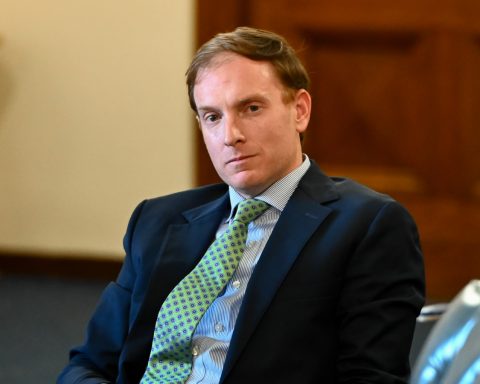
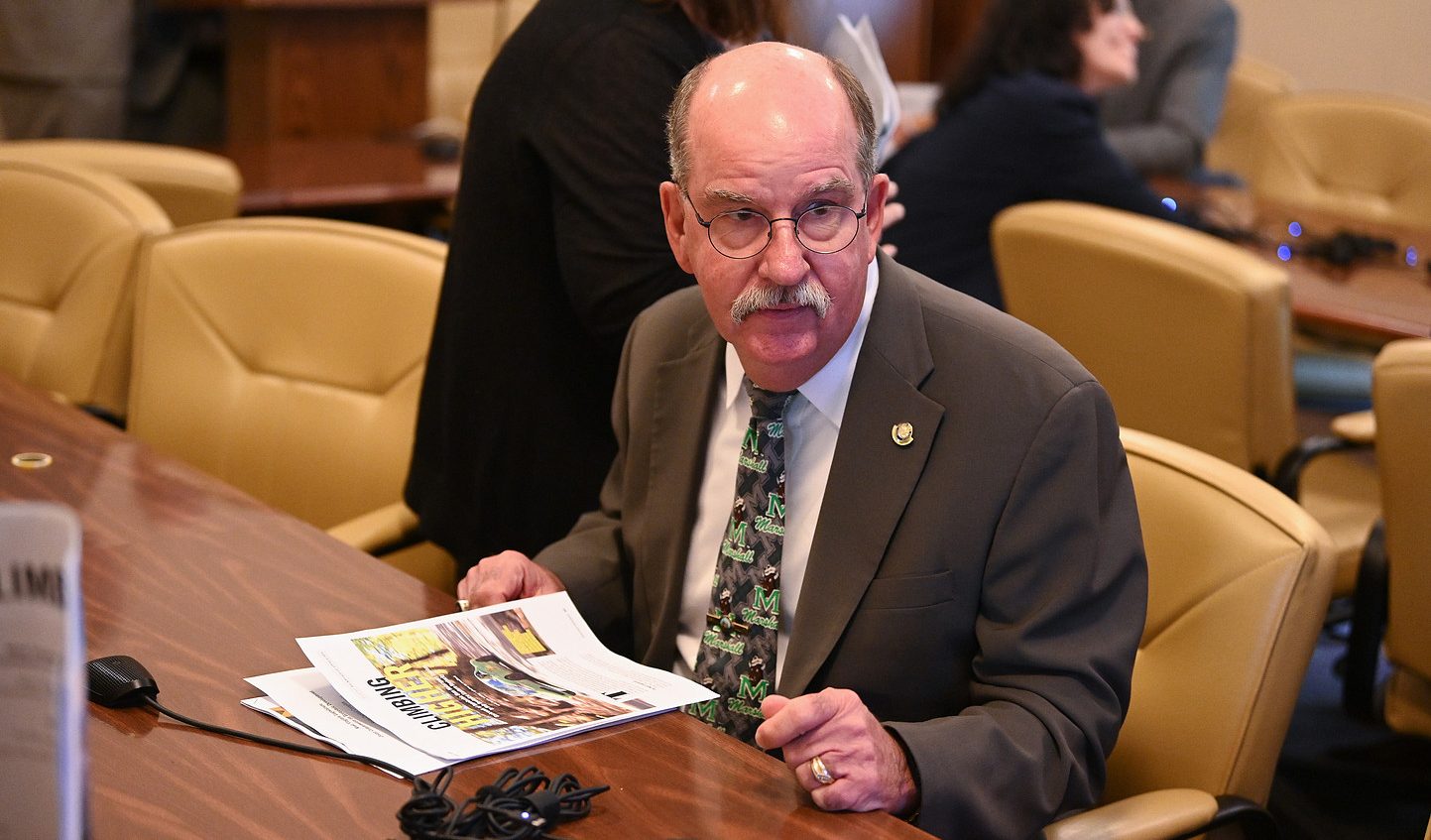
BUCKHANNON — Incumbent state Sen. Bill Hamilton narrowly held off challengers Jack Reger and former State Sen. Robert Lee Karnes in Tuesday’s Republican Primary for West Virginia’s 11th Senatorial District, surviving a competitive three-way race shaped by debates over economic development, school closures and conservative social policy.
The district includes all or parts of Barbour, Braxton, Pendleton, Pocahontas, Randolph, Upshur and Webster counties.
Hamilton carried four counties: Upshur, Webster, Pocahontas and Randolph, while Reger won Barbour county. Karnes did not win a county but posted strong second-place finishes in Randolph and Pocahontas counties.
In Upshur County, Hamilton received 1,125 votes to Reger’s 810 and Karnes’ 408. Randolph County also proved critical for Hamilton, where he earned 743 votes compared with Karnes’ 570 and Reger’s 404.
Hamilton’s largest percentage margins came in Webster and Pocahontas counties. In Webster County, he secured 210 votes to Karnes’ 143 and Reger’s 87. In Pocahontas County, Hamilton received 411 votes, ahead of Karnes with 301 and Reger with 143.
Reger’s strongest performance came in Barbour County, where he won decisively with 490 votes, compared with Hamilton’s 375 and Karnes’ 315.
Braxton County was more closely divided, with Hamilton winning 446 votes, followed by Reger with 321 and Karnes with 256.
Hamilton, who has served in the Legislature since 2002, campaigned heavily on economic development and healthcare-related issues. Much of his support came from healthcare workers and hospital interests opposed to repealing the state’s certificate-of-need laws, which regulate the expansion of healthcare facilities and services.
Hamilton also maintained support among establishment Republican and economic development groups that have backed state and local incentive programs aimed at enticing businesses and industry to the region through taxpayer-funded handouts. Critics of those policies, including some conservative activists supporting Reger and Karnes, argued the taxpayer-funded incentive approach has produced limited long-term economic gains for the state. Opponents also noted that despite Hamilton’s lengthy tenure in the Legislature, District 11 has not landed any major state-level economic development projects.
Reger centered much of his campaign on public school consolidation and closures across the district. The 11th District has experienced a wave of school closures in the past year, particularly in rural communities facing declining enrollment and financial pressures. Reger argued local communities had been ignored by state leaders and called for stronger protections for rural schools.
Karnes, a former state senator known for his hardline conservative positions, focused his campaign on social issues. He emphasized his opposition to abortion, puberty blockers for minors, school choice, micro-schools, and other cultural issues important to social conservatives. Karnes frequently criticized Hamilton for opposing or not strongly supporting several conservative-backed social policy proposals during Hamilton’s time in office.
The Republican Primary was widely viewed as a test between establishment Republican leadership and insurgent conservative challengers seeking to reshape the party’s direction in rural West Virginia.